
Last updated November 15, 2026
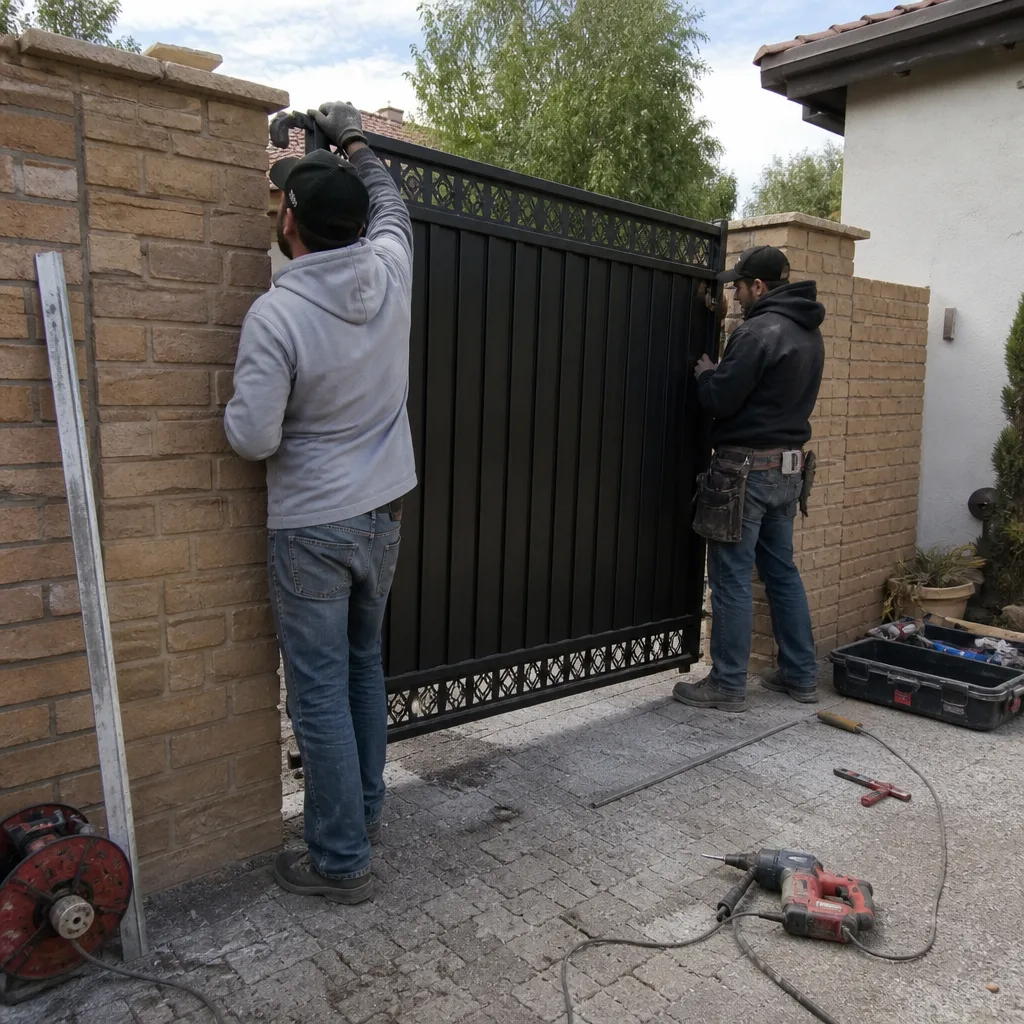
 Wrought iron
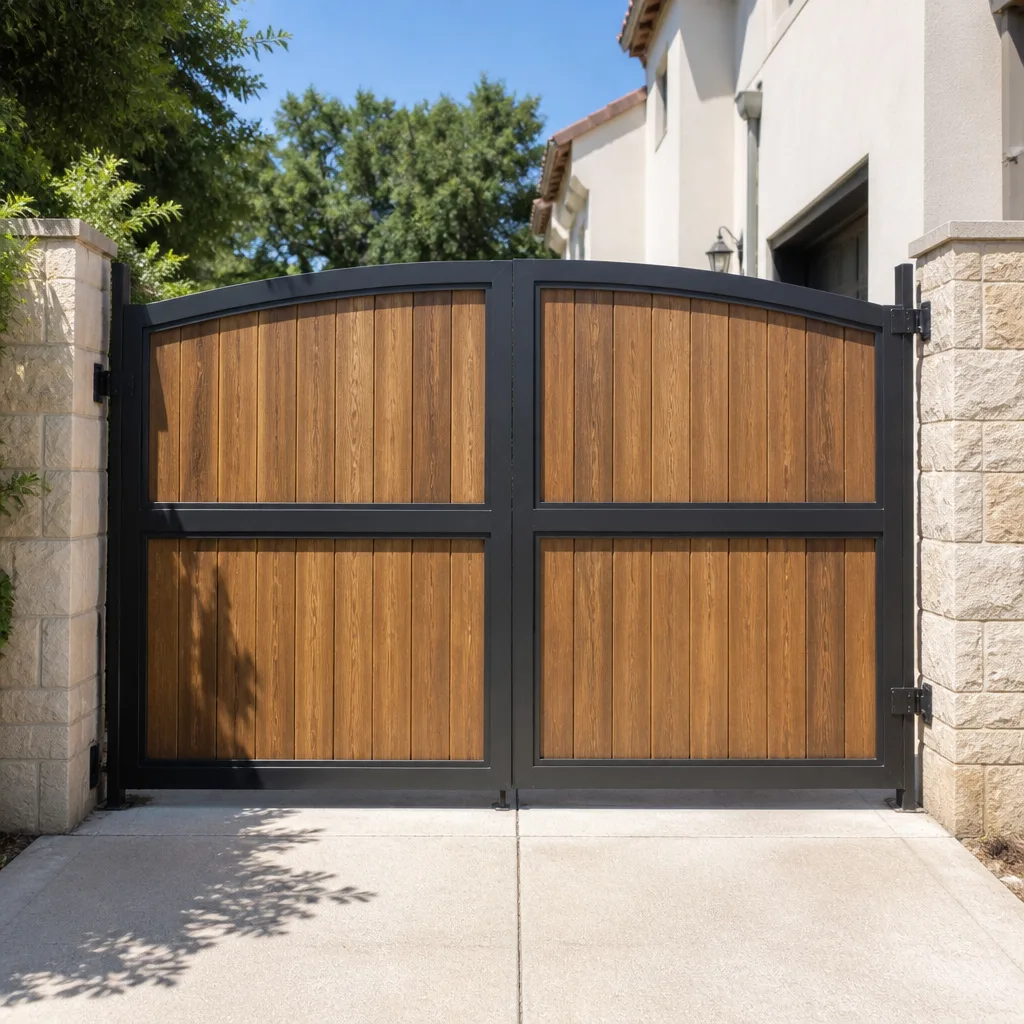 Wood & steel frame
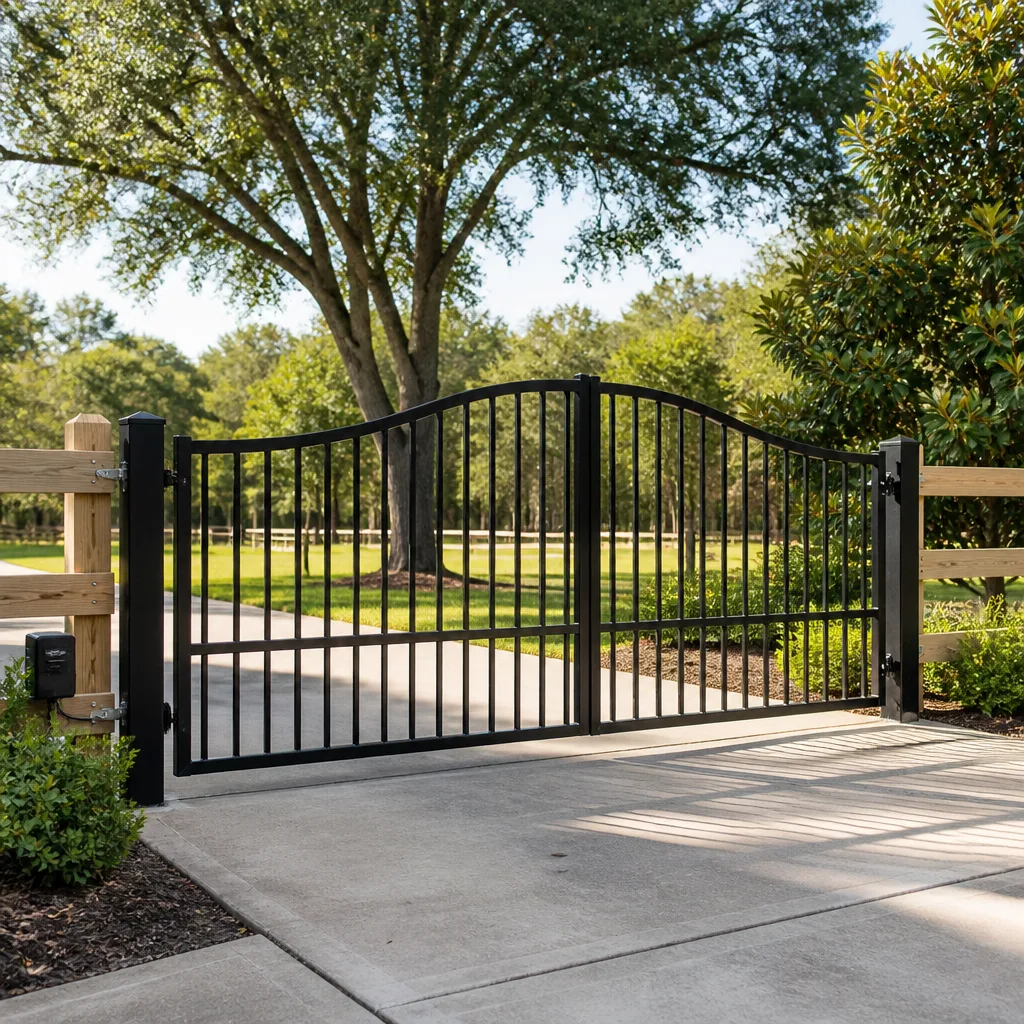 Farm & ranch
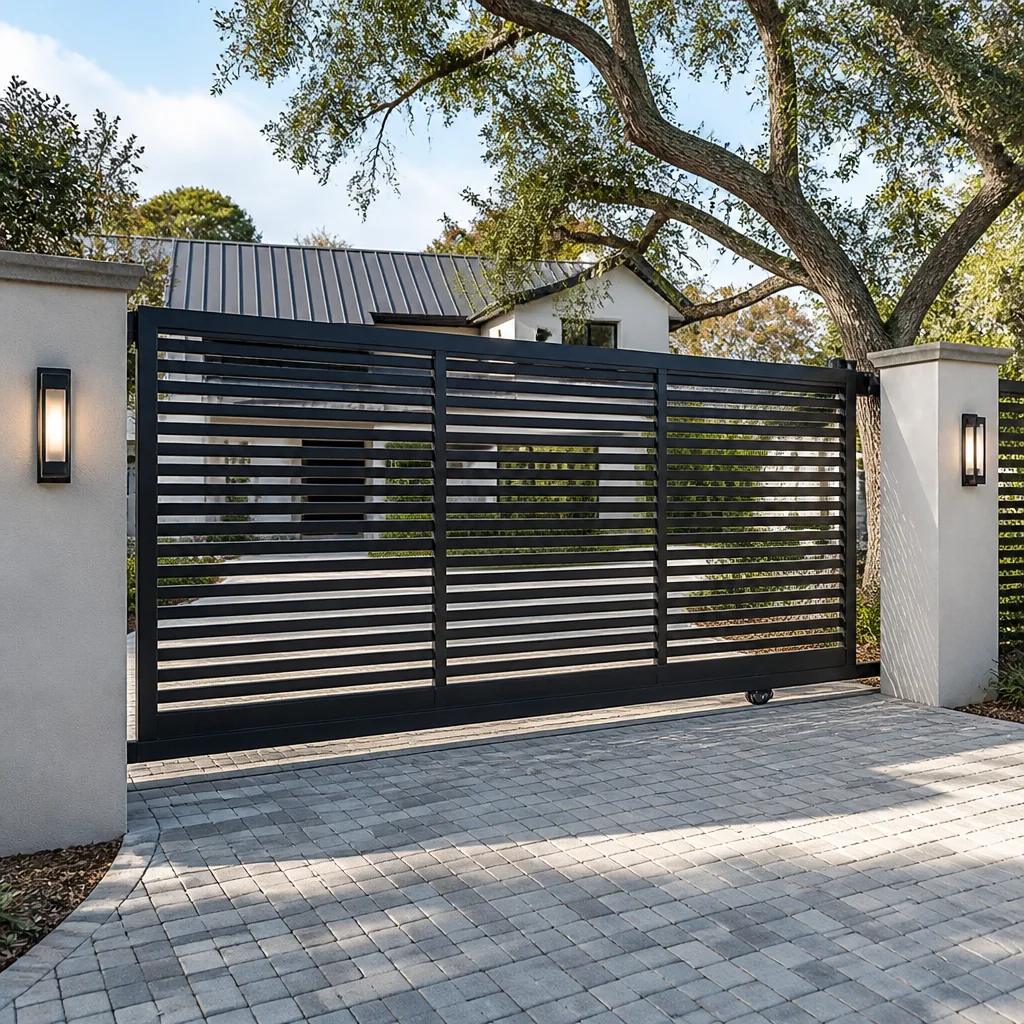 Sliding driveway gates
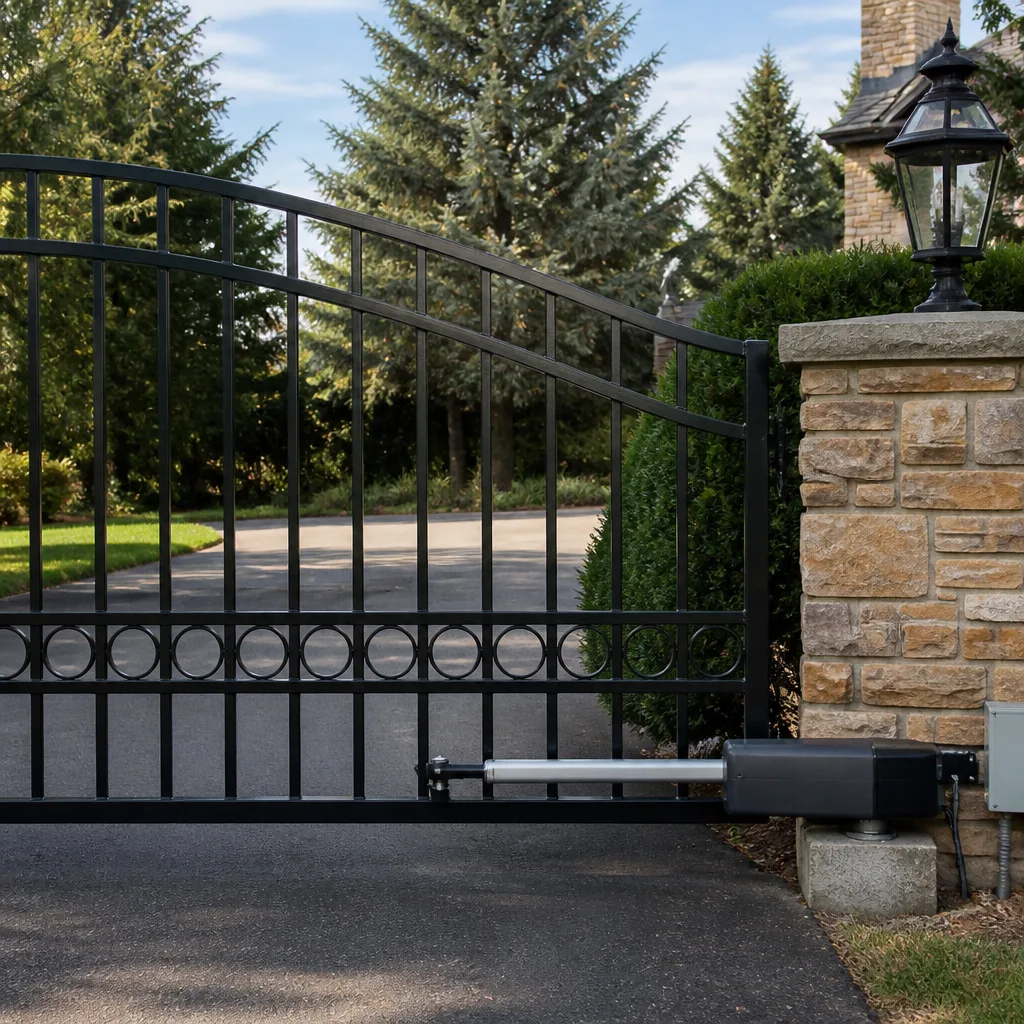 LiftMaster operators
Free on-site gate assessment - hinges, posts, and your LiftMaster or Nice gate operator checked before anything is quoted
The assessment is free and the quote is the invoice.
Get your free estimateThe Complete Guide to Gate Repair in Spring Valley
The same gate that gets “repaired” three times in two years usually had one fixable problem the first time. It just wasn’t caught, because whoever looked at it only saw what was broken, not what caused it. That’s the pattern we run into most often in Spring Valley: a symptom gets patched, the root cause keeps working, and the gate fails again a few months later. This guide maps the whole diagnostic picture for gates in Spring Valley, from the soil under the posts to the operator on top. You’ll learn which failure points repeat, how to read the early warnings, and when a repair is sound versus when the infrastructure underneath needs attention first.
Quick Answer
Most gate problems in Spring Valley come down to a handful of repeat failure points: post movement from our soil and heat cycles, hinge and roller wear, and operator or wiring faults on automated systems. A specialist diagnoses in sequence (structure first, then hardware, then operator) rather than chasing the symptom. That approach is what separates a small corrective repair from a full replacement.
Styles & brands we work with
- Wrought iron
- Wood & steel frame
- Farm & ranch
- Sliding driveway gates
- LiftMaster operators
Table of Contents
- Why gates fail the same way in Spring Valley
- How caliche soil and heat cycles move your gate
- The diagnostic sequence a specialist uses
- Failure signatures by gate type
- Early-warning components to watch
- When a repair is sound and when infrastructure comes first
- Electric and automated gate problems
- What gate repair involves and the brands we work on
Why gates fail the same way in Spring Valley
A gate is a moving structure bolted to the ground, and in Spring Valley the ground is doing more than most homeowners realize. When a gate starts dragging, sticking, or swinging off-center, the cause is rarely random. It follows a pattern set by local conditions and by the way gates are built. Recognizing that pattern is why we can often tell a caller what’s likely wrong before we arrive.
The same three forces show up on nearly every repair we handle in Spring Valley:
- Ground movement. Posts set in caliche-rich soil shift over time, especially where irrigation keeps the soil moisture uneven.
- Thermal cycling. Summer heat expands metal and winter nights contract it. Hinges, rollers, and tracks take that load every day of the year.
- Operator strain. When a gate is slightly out of alignment, the motor works harder to move it. That extra strain shortens the life of the operator and the hardware around it.
Generalists tend to treat each of these separately. A technician who only adjusts the hinge doesn’t notice the post is leaning. Someone who resets the operator doesn’t check whether the gate is binding. The fix holds for a while, then fails again. A specialist works the sequence in the other direction: ground first, then hardware, then operator. That order is why one visit often solves what three prior visits couldn’t.
If you’re trying to sort out whether your gate needs a quick fix or a deeper one, our Gate Repair Spring Valley page lays out what a repair visit actually involves.
How caliche soil and heat cycles move your gate
Spring Valley sits on soil with a lot of caliche in it, a cemented layer that behaves very differently from the loose dirt many gate installations assume. Caliche doesn’t drain the way ordinary soil does, and it expands and contracts with moisture in ways that gradually push and pull on anything anchored in it. Add the desert heat cycle, where summer afternoons and cool nights fight over every metal joint, and gate posts in Spring Valley are under more stress than posts in milder climates.
What that means for a homeowner is a gate that starts to lean, drag, or bind, usually gradually. The symptoms look like hardware problems, but the underlying cause is often post movement. A few signs to watch:
- A gate that swings or slides at an angle it didn’t before. Often a sign the post has tilted slightly in the soil.
- New gaps at the latch. If the gate used to close flush and now doesn’t, the frame or post has moved.
- Scraping sounds on a sliding gate. The track or the gate itself has shifted out of level.
- A post you can rock by hand. Loose posts fail faster in caliche because the soil doesn’t recompact the way softer ground does.
We’ve seen the same issue come up across Spring Valley neighborhoods, from older single-family lots near the 215 to newer builds where the landscaping is still settling. A technician who knows the local soil pattern can often tell from a walk-around whether the problem is hardware or foundation, and that distinction drives the entire repair plan.
The diagnostic sequence a specialist uses
Every gate specialist worth hiring follows a sequence. The order matters, because skipping a step leads to fixing the wrong thing. Here’s the sequence we use on nearly every Spring Valley repair call, residential or commercial:
- Foundation and posts. Before touching a hinge, check whether the post is plumb and stable. A gate can’t be fixed on top of a moving foundation.
- Gate alignment and clearance. Confirm the gate is level, that the frame hasn’t twisted, and that it clears the ground by an even margin.
- Hinges, rollers, and tracks. Check for wear, binding, and flat spots. On sliding gates, look for worn rollers and debris in the track.
- Latch and strike. Verify the gate closes and latches cleanly under its own weight, without binding.
- Operator and power. Only after the mechanical side is confirmed working do we test the motor, control board, and wiring.
- Safety devices. Confirm any safety edges, loops, or photo eyes are functioning correctly before the gate is put back into service.
That last step is easy to overlook when you’re focused on the gate not opening. But on any automated gate, a safety device that isn’t working turns a repair into a hazard. The wiring and power side of an electric gate carries real risk, so diagnosing it is a job for a trained technician with the right test equipment. We don’t hand homeowners a DIY checklist for the electrical side, and no responsible specialist should.
The alternative is the piecemeal approach: a technician who shows up, sees the gate sticking, and sprays the hinge. Two months later it’s sticking again. The sequence exists because skipping any step means you’re treating the symptom without understanding the cause.
Failure signatures by gate type
Swing, slide, and bi-fold gates each break in their own way. Knowing the signature for your gate type means you’ll recognize problems early and describe them accurately when you call. Here’s how they differ in Spring Valley’s conditions:
Swing gates
Swing gates take the most load at the hinges. Caliche soil means posts shift slightly, and that shift puts uneven pressure on the hinges, which then wear faster. The signature is a gate that drops slightly on the latch side, drags at the bottom, and eventually won’t latch cleanly. Automated swing gates add a sector arm or actuator that strains when the alignment drifts, and that strain is often what causes a motor failure that looks sudden but wasn’t.
Sliding gates
Sliding gates fail at the rollers and the track. When the ground shifts, the track loses level and the gate starts to lift or bind. You’ll hear scraping and eventually see the gate lurch as the opener fights the resistance. Sliding gates are also the type most likely to come off track after a shift, which is a real safety issue on large panels because of the weight involved. A gate that has jumped the track should be taken out of service until a technician can reset it safely.
Bi-fold gates
Bi-fold gates have more moving parts than either swing or slide, which means more wear points. The signature here is a gate that opens unevenly or that binds at the fold joint. Because the panels fold on each other, a small misalignment compounds quickly. Early adjustment prevents a much larger repair.
If you already know your gate type and brand, mention both when you call. Gate specialists who work on your brand can often arrive with the right diagnostic focus and cut straight to the likely failure point.
Early-warning components to watch
Most gate failures announce themselves before they happen. These are the components that act as indicators. If you learn to notice them, you’ll catch problems while they’re still small repairs rather than full replacements.
- Hinges. A hinge that squeaks, feels loose, or shows visible wear is the earliest indicator of swing gate trouble. Replacing a worn hinge is inexpensive compared to repairing the frame it eventually twists.
- Rollers and track on sliding gates. Flat spots on rollers and small debris in the track are the first signs of sliding gate failure. Worn rollers lead to a jumped track if left alone.
- Latch alignment. A latch that has begun catching or missing tells you the gate frame has moved. That’s a structural cue, not a latch problem.
- Post stability. A post that rocks by hand, or shows new cracks at the base, is signaling foundation movement before the gate itself gives you trouble.
- Operator strain. If your operator sounds louder than it used to, surges, or reverses unexpectedly, the gate is binding or the motor is straining. That’s a signal to check the mechanical side before the operator fails.
- Safety device behavior. A gate that reverses when it shouldn’t, or fails to reverse when it should, is a safety issue. Don’t wait on that one.
These indicators are the reason we recommend walking your gate once a season. Look at the hinges and rollers, push the gate gently with your hand to feel for binding, and check that the posts don’t move. It’s not a replacement for a professional inspection, but it gives you a sense of what’s normal and what isn’t.
When a repair is sound and when infrastructure comes first
Not every gate should be repaired. Sometimes the right call is to address the infrastructure underneath before any hardware repair, and a specialist should tell you that honestly. The question isn’t “can we fix it” but “will the fix hold”. Here’s how we decide:
- Sound repair: The post is stable, the frame is true, and the problem is worn hardware, misalignment, or an operator issue. This is a straightforward repair and the fix will last.
- Infrastructure first: The post has moved significantly, the track has lost level beyond what adjustment can correct, or the soil under the gate has shifted badly. Here the repair has to start with the foundation, or it won’t hold.
- Replacement: On a gate that has been repeatedly repaired and keeps failing at multiple points, the honest answer is often that the current gate has outlived its structure. Replacing it now is more economical than continuing to patch it.
Spring Valley’s soil makes this distinction especially important. A hinge repair on a gate whose post is moving is money spent twice. The specialist’s job is to spot that before the repair happens, not after. That’s why the diagnostic sequence starts at the ground, and why a technician who doesn’t check the posts hasn’t done a full diagnosis.
Electric and automated gate problems
Electric gates combine two separate systems: the mechanical gate and the operator. A problem in one can look like a problem in the other, which is why some electric gate issues take longer to diagnose. In our experience, a solid share of “the motor is dead” calls in Spring Valley turn out to be a mechanical issue the motor is fighting, not a motor failure at all.
When we diagnose an electric gate, we check:
- Power to the operator. Confirm the operator is receiving power and the control board is functioning.
- Gate binding. With the operator disconnected, check whether the gate moves freely by hand. If it strains, that’s a mechanical cause, and no amount of motor repair will fix it.
- Control signals. Remotes, keypads, loop detectors, and access control each have their own failure modes. A gate that won’t respond to a remote may have a perfectly healthy operator.
- Safety edges and photo eyes. These are non-negotiable on any automated gate. A gate that doesn’t recognize an obstruction is not safe to operate.
- Battery and backup systems. Backup batteries age, especially in Spring Valley’s heat, and fail without warning.
Because the electrical and power side of an automated gate is genuinely dangerous, we flag this clearly: opening the operator housing and testing live circuits is not a homeowner job. The best thing you can do is leave the gate powered down and let a trained technician handle it. We work on the full range of electric systems, from a driveway LiftMaster to heavier commercial operators like FAAC or BFT, and the diagnostic order is the same every time. For dedicated electric work, our electric gate repair page goes deeper on operator and access control issues.
What gate repair involves and the brands we work on
Gate repair pricing is set per job, and the honest reason is that the cost depends on what’s actually wrong. A hinge replacement is one thing. A post reset in caliche soil is another. Rather than quote you a number over the phone, a specialist will diagnose first and then give you a written estimate before any work starts. That’s the way we do it, and it’s the way you should expect any reputable shop to work.
Here’s a rough picture of how gate repair work is typically structured:
- Hardware repair (hinges, rollers, latches): often the simplest and least invasive category.
- Post and foundation work: more involved, because the gate has to be stabilized correctly for the fix to hold.
- Operator repair: depends on the brand and whether the issue is motor, control board, or wiring.
- Full replacement: reserved for gates that have reached the end of their structure rather than one failure point.
We work on nine major gate brands, so there’s a good chance we already know your system. Residential driveways running Ghost Controls, Mighty Mule, Linear, or LiftMaster, and commercial entries running FAAC, BFT, DoorKing, Viking, or Elite. That brand familiarity is one reason gate-only specialists exist. A generalist working across fencing, garage doors, and handyman work sees each brand occasionally. A gate specialist sees them every week and knows their failure patterns. If you’re in Spring Valley and want to know whether gate repair is the right starting point for your gate, that’s the conversation to have.
You can read more about the neighborhood-level service in our Spring Valley page.
Common Mistakes to Avoid
- Replacing hardware when the post is moving. If the post has shifted, new hinges will just wear out faster. Always check the foundation before repairing the mechanism on top of it.
- Forcing a gate that’s binding. Pushing through resistance on a slide gate can jump the track or bend the gate panel itself. If it’s binding, stop using it until it’s diagnosed.
- Treating the operator as the cause. A motor that fails suddenly on a gate that had been dragging for months was fighting a mechanical problem. Fix the drag, then the motor.
- Ignoring safety devices. A photo eye that isn’t working doesn’t announce itself. On a gate used by family, pets, or vehicles, a safety device failure is a serious issue. It deserves prompt professional attention.
- Letting a gate lean a little longer. In Spring Valley’s soil, a small lean tends to get worse. What starts as a slight tilt becomes a post reset if left alone.
- Calling a generalist to save the first appointment. A generalist may spend a visit discovering the problem a gate specialist could have diagnosed from experience. Gate specialists see the patterns all day.
- Accepting a verbal price without knowing when work starts. Make sure the estimate is written and that both sides agree on the price before any work begins. Any reputable shop will do this as standard.
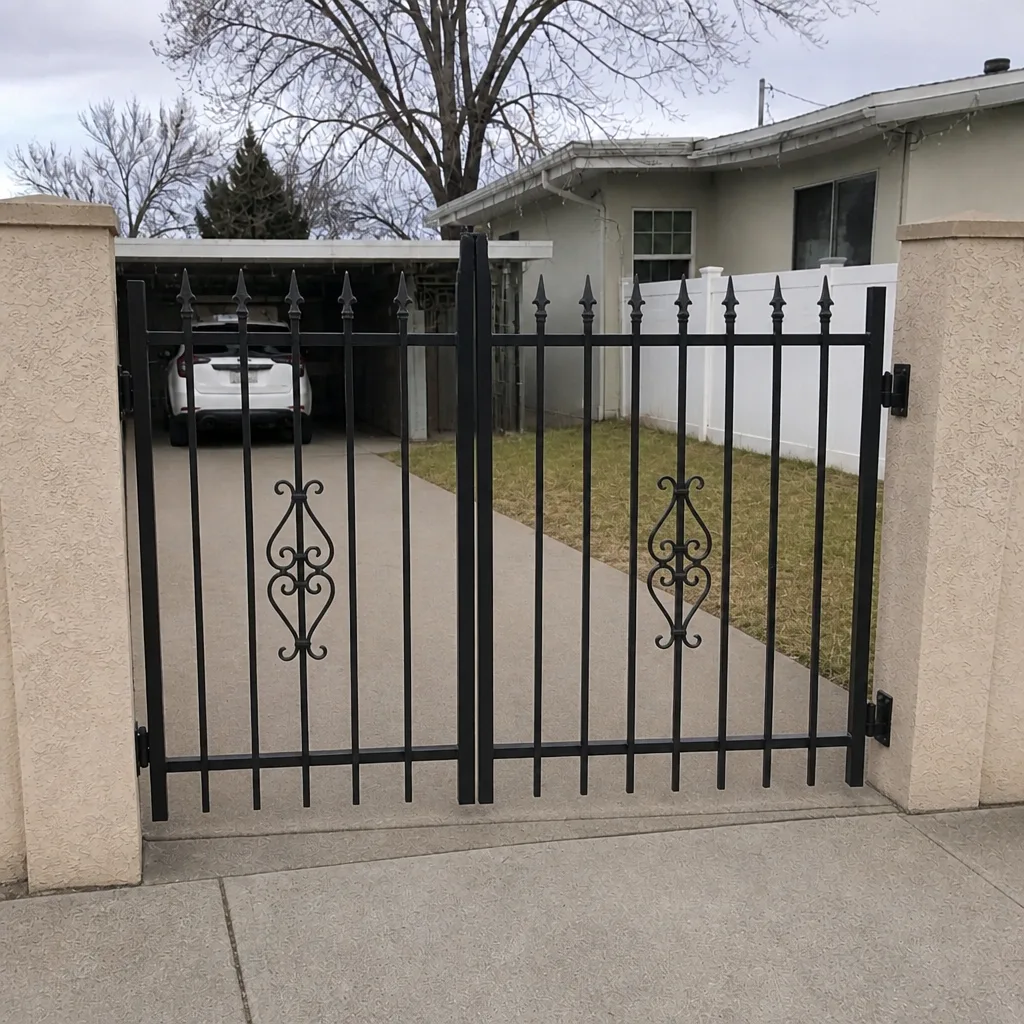
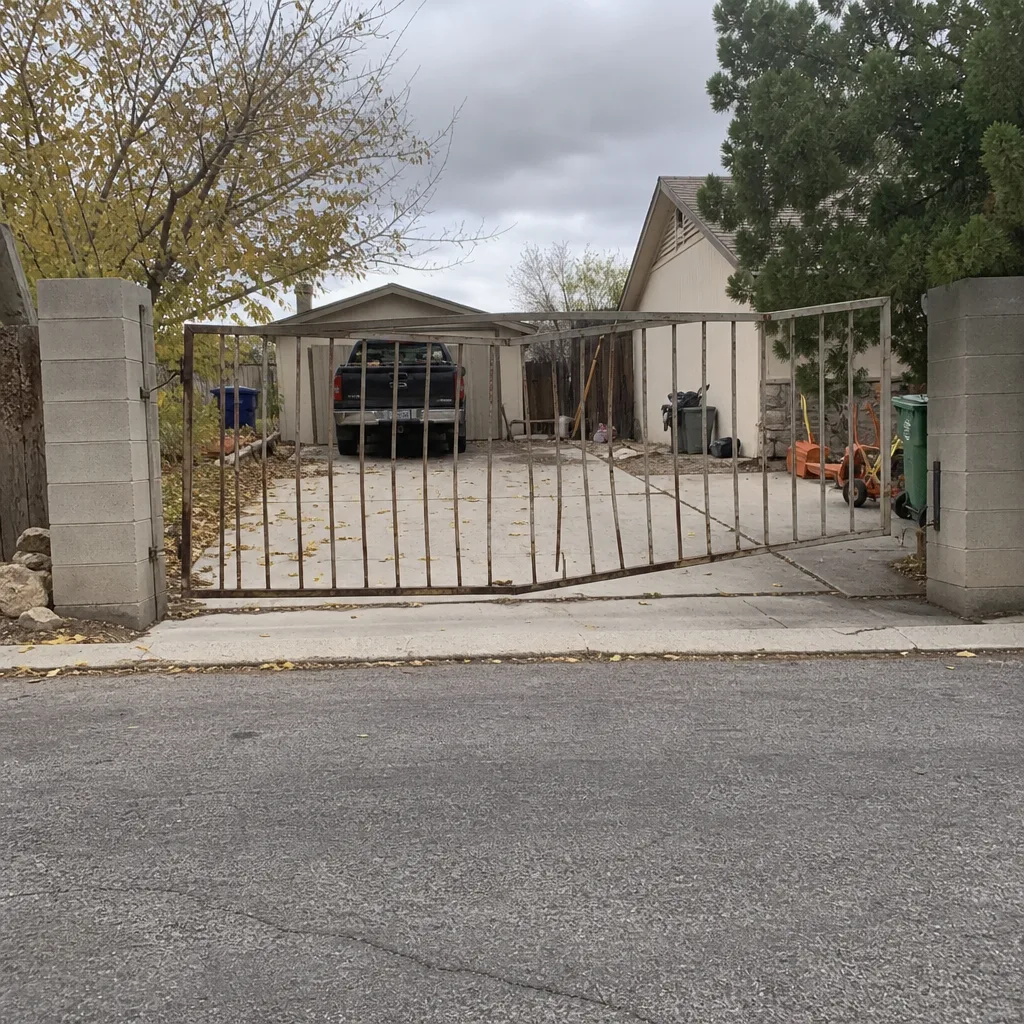
See the difference
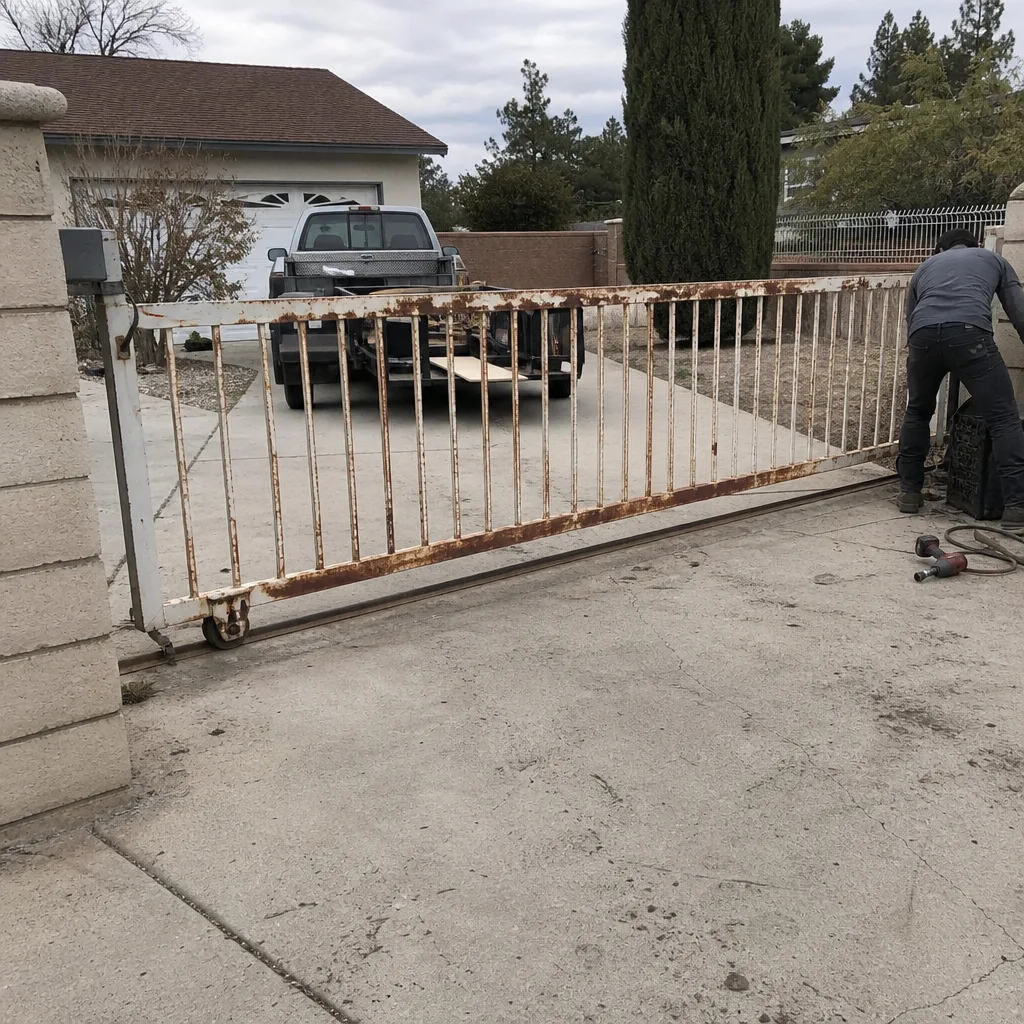 Before
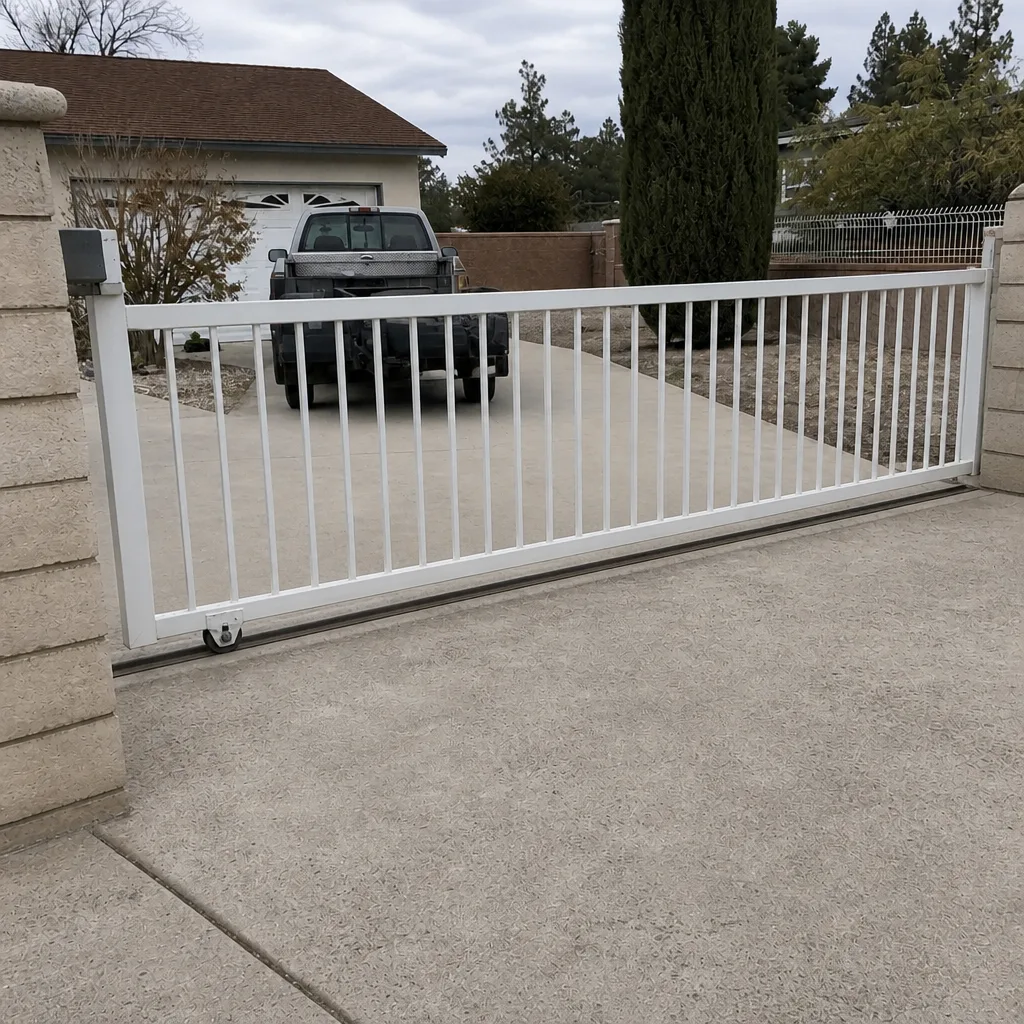 After
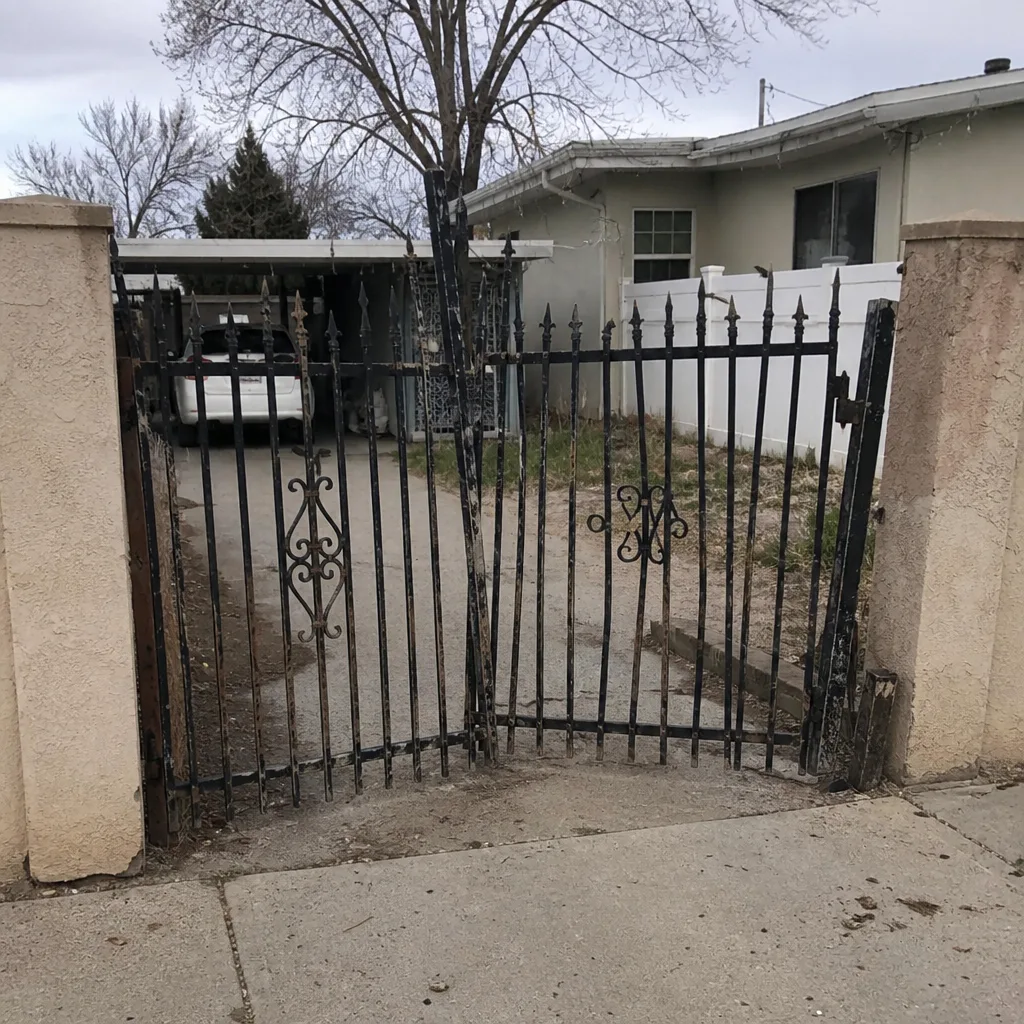 Before
 After
 Before
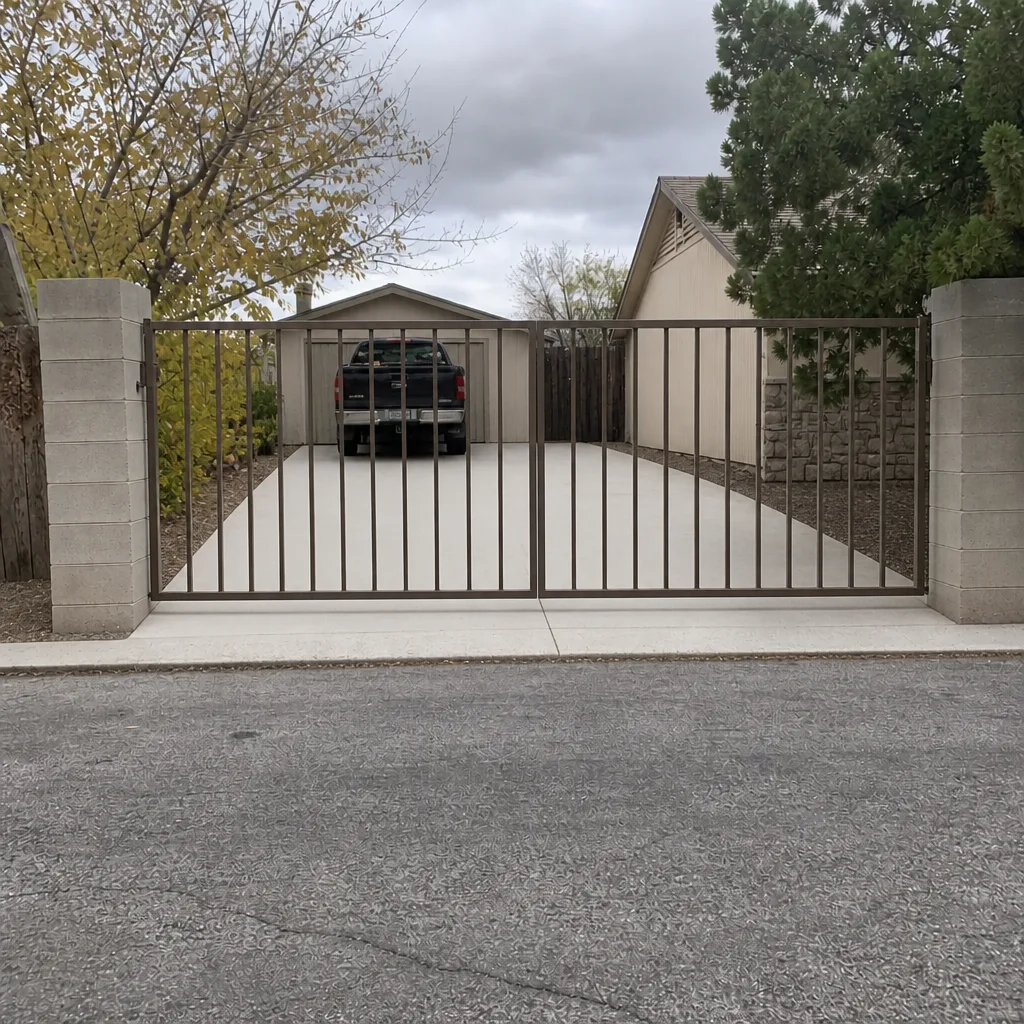 After
When to Call a Professional
Some gate issues are genuinely a specialist’s job, and it’s worth knowing when to pick up the phone. Call a professional if your gate is binding, dragging, or refusing to close, if a post has visibly moved, if your automated gate reverses unexpectedly or fails to reverse when it should, if your electric gate won’t respond to its controls, or if your gate has come off its track. A gate that has jumped its track is a safety hazard on its own. Never try to wrestle a heavy sliding gate back onto its rail without help. On automated gates, any issue involving the operator, wiring, or safety edges is a job for a trained technician. We’re a gate-only specialist, so your problem is always within our expertise. Gate Repair Spring Valley offers free estimates in Spring Valley. Call (844) 420-8518. We answer 24/7. Fast dispatch from 7am to 7pm, Sunday through Friday. Our technicians have up to 11 years of experience, and we’re experienced across LiftMaster, FAAC, BFT, Linear, and the rest of the major gate brands.
Frequently Asked Questions
Gate repair in Spring Valley is priced per job, and the final cost depends on what’s actually wrong: hardware, post movement, or operator issues. Every repair starts with a diagnosis and a written estimate, and the price is agreed before any work begins. Call (844) 420-8518 for an exact quote. Estimates are free.
Yes, same-day service is often possible in Spring Valley, and we answer the phone 24/7. Fast dispatch runs from 7am to 7pm, Sunday through Friday. A call outside dispatch hours is booked into the next opening. Call (844) 420-8518 to get a technician scheduled.
Most repeat gate failures trace back to an untreated root cause, usually post movement or misalignment that hardware repairs don’t address. In Spring Valley’s caliche soil, that’s especially common. The fix is to diagnose from the foundation up, not the hardware out. Call (844) 420-8518 for a proper diagnosis.
Yes, electric and automated gate repair is one of our core services alongside manual gate repair and installation. We work on operators and access control systems across the major brands, from LiftMaster and Linear to FAAC and BFT. Call (844) 420-8518 to discuss your system.
Take it out of service and call a technician. A heavy sliding panel that has come off its track is a crush hazard and shouldn’t be moved by hand. We handle track resets as part of our gate repair work in Spring Valley. Call (844) 420-8518.
We do. We work on residential driveway gates running brands like Mighty Mule, Ghost Controls, and LiftMaster, and on heavier commercial entries running FAAC, BFT, DoorKing, Viking, and Elite. Call (844) 420-8518 to talk through what you have.
The Bottom Line
Gate failures in Spring Valley follow patterns, and the biggest one is a repair that treats the symptom instead of the cause. Post movement from caliche soil and heat cycles, worn hinges and rollers, and operator strain account for most of the problems we see. A specialist diagnoses from the foundation up, in sequence, so the fix actually holds. If you’re facing a gate that keeps failing, or one that’s just started acting up, catching it early is the difference between a small corrective repair and a much larger one down the road. Call (844) 420-8518 for a free estimate. We answer 24/7. Fast dispatch from 7am to 7pm, Sunday through Friday.
Written by the team at Gate Repair Spring Valley.