
Last updated November 15, 2026
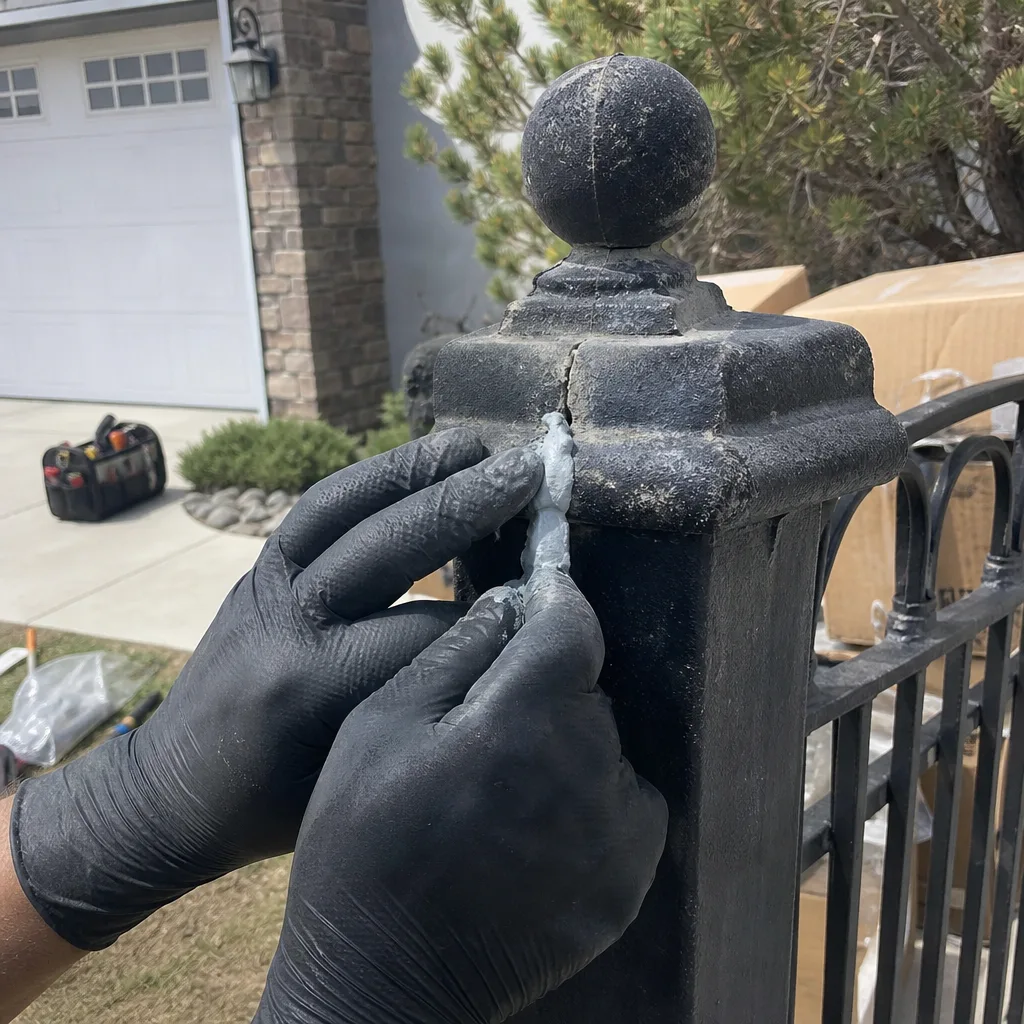
 Wrought iron
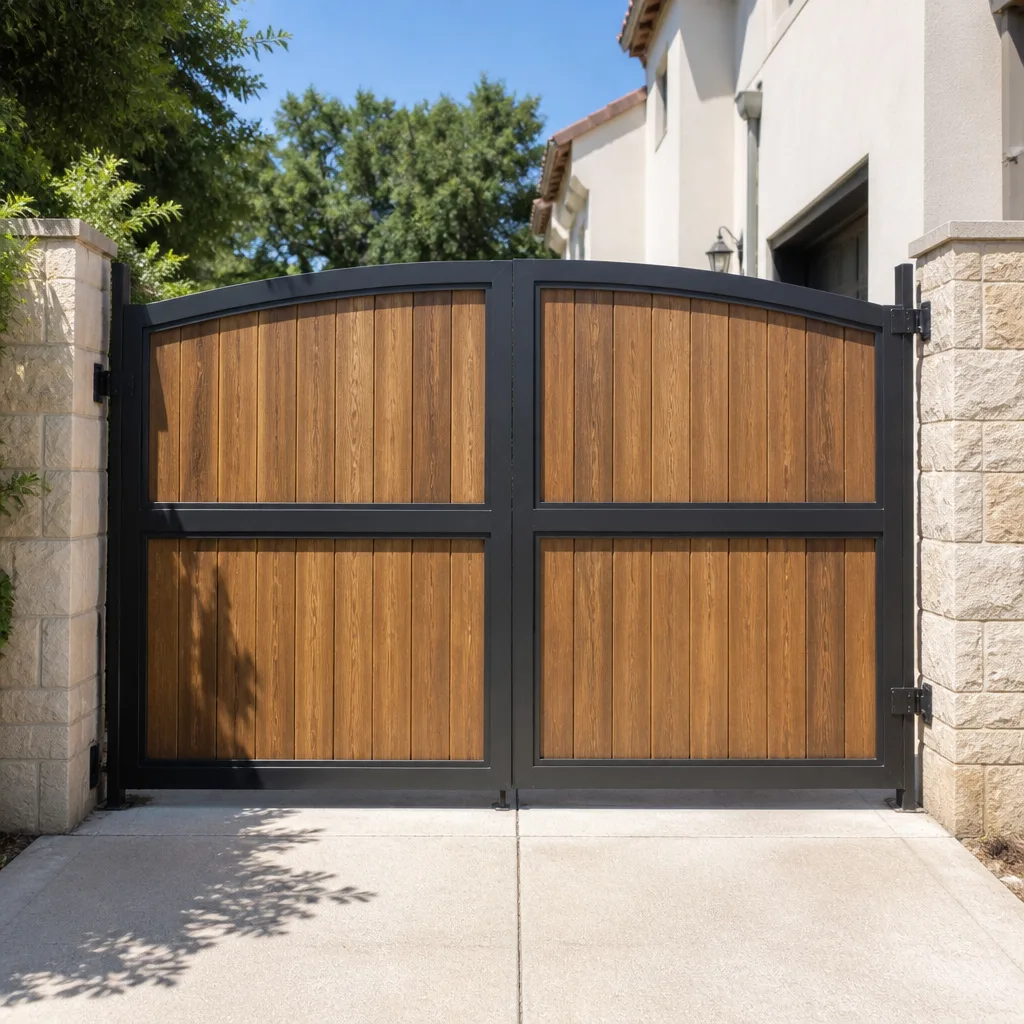 Wood & steel frame
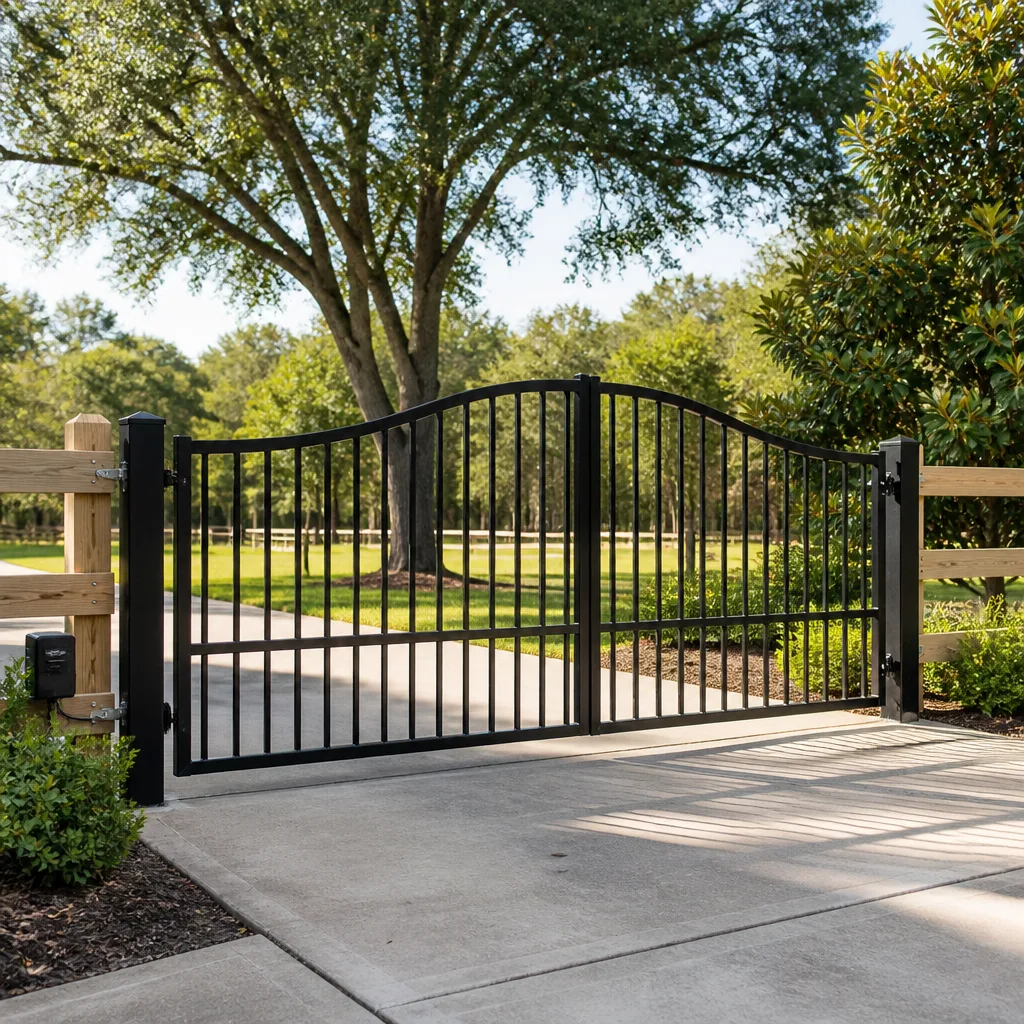 Farm & ranch
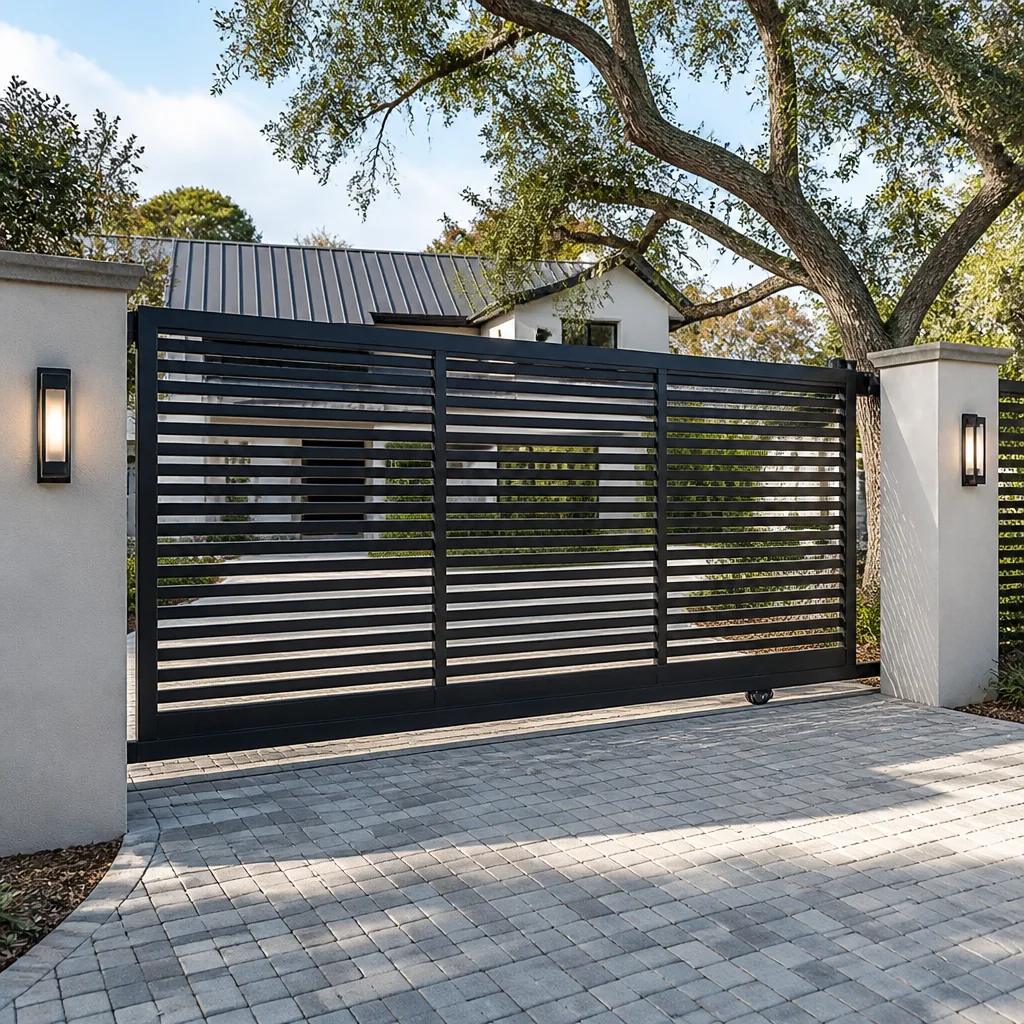 Sliding driveway gates
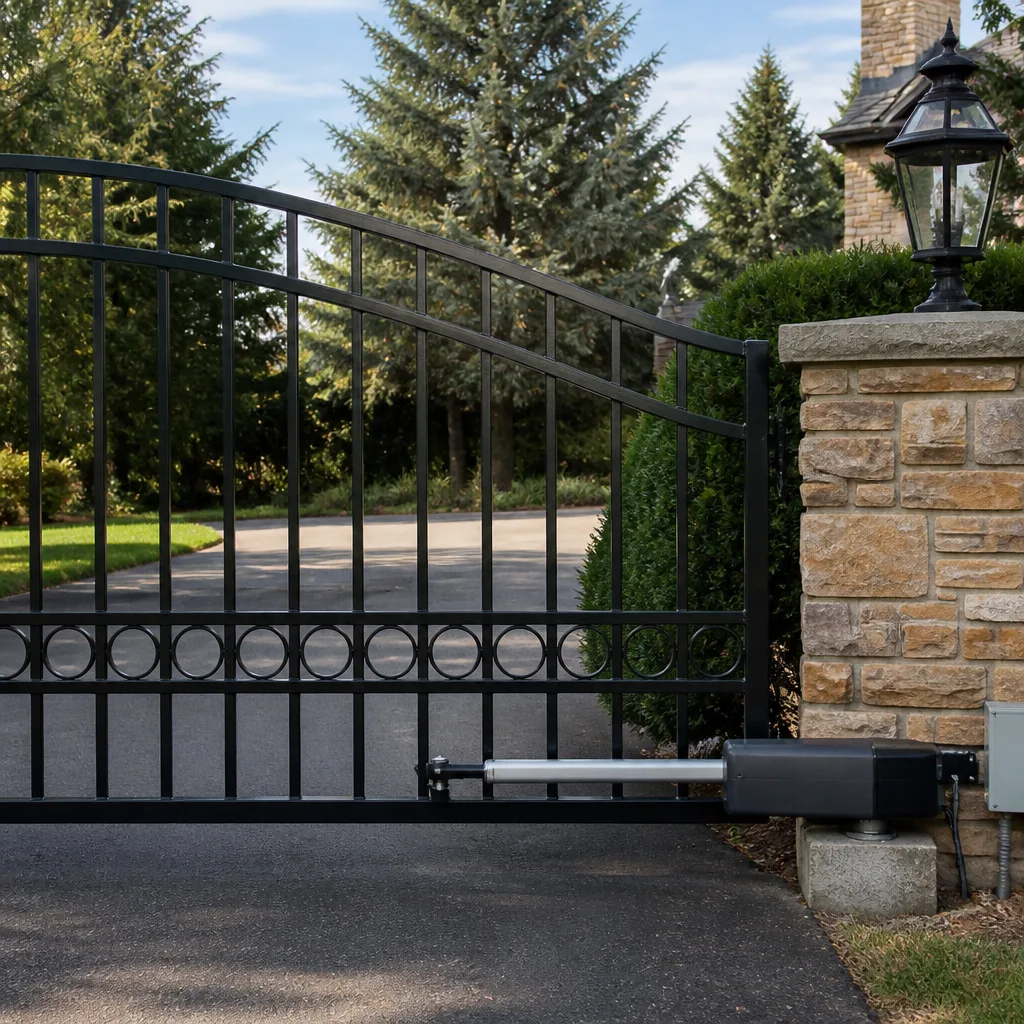 LiftMaster operators
Free on-site gate assessment - hinges, posts, and your LiftMaster or Nice gate operator checked before anything is quoted
The assessment is free and the quote is the invoice.
Get your free estimateSeasonal Gate Repair Care for Spring Valley: Year-Round Homeowner’s Guide
Most gate care advice you’ll find online was written for a climate with four clean seasons, and it doesn’t fit Spring Valley. The single most damaging stretch for gate hardware here isn’t the summer heat – it’s the rapid swing from March to May, when morning lows and afternoon highs can differ by 50°F and metal components expand and contract faster than at any other point in the year. That daily cycle works on welds, hinge pins, and operator mounts in ways a cool coastal climate never does. This guide replaces the generic “check it in spring and fall” advice with a maintenance schedule built around how the Mojave Desert actually treats a gate.
Quick Answer
Seasonal gate care in Spring Valley runs on a two-season, two-transition rhythm: the spring temperature swing (March to May) is when expansion and contraction do the most wear, summer and monsoon (June to September) test operator cooling and drainage, fall is your repair window before the mild UV-heavy winter settles in, and winter is when you clean, lubricate, and inspect without fighting extreme heat. The tasks that matter most are checking weld and fastener torque in spring, clearing drainage before monsoon, and keeping the operator’s vents and sensors clean through summer.
Styles & brands we work with
- Wrought iron
- Wood & steel frame
- Farm & ranch
- Sliding driveway gates
- LiftMaster operators
Table of Contents
- Why Spring Valley’s Climate Doesn’t Fit Standard Gate Advice
- Spring: The Temperature Swing Season (March to May)
- Summer Heat and Automated Gate Preparation (June to September)
- Monsoon Season: Drainage, Rust, and Motor Moisture
- Fall: The Repair Window Before Winter
- Winter: Mild Temps, Intense UV
- Month-by-Month Gate Care Calendar for Spring Valley
- Common Mistakes to Avoid
- When to Call a Professional
- Frequently Asked Questions
Why Spring Valley’s Climate Doesn’t Fit Standard Gate Advice
Search for “seasonal gate maintenance” and you’ll get a checklist aimed at a climate where winter means freezing temperatures and road salt. That advice doesn’t transfer. Spring Valley sits in the Mojave Desert basin south of the Las Vegas Strip, where winters are mild and dry, summers are long and punishing, and the real action happens in the transitions between them. We’ve seen gate problems here that a cold-climate guide would never mention: operator housings baking in afternoon sun, gate frames shifting on posts as the ground temperature swings, and sensor brackets drifting out of alignment because the metal they’re mounted to moves.
It comes down to four phases, not four seasons:
- Spring transition (March to May): the widest daily temperature swings of the year, hardest on metal.
- Peak heat (June to September): the stretch that stresses operator motors, fans, and electronics.
- Monsoon window (July to September): the burst of moisture that finds every drainage flaw.
- Fall and winter (October to February): mild, dry, and UV-intense – your window for repairs and deep cleaning.
Treating those four phases as distinct is the whole game. A gate that gets the right attention in each phase lasts longer and fails less often than one that just gets “checked” once a year.
Spring: The Temperature Swing Season (March to May)
Spring is when a Spring Valley gate does the most mechanical work just sitting still. When the metal gate frame and the post it’s welded to warm up at different rates, every weld and fastener takes a small load, release, load, release cycle, day after day. Over a season that adds up. This is the period when small cracks in welds begin and hinge pins start to loosen, not because of abuse but because of thermal movement.
What we look at first in spring:
- Weld inspection along the frame corners and post brackets. A hairline crack is cheap to fix; a failed weld that drops the gate is not. Look carefully at the corners and where the frame meets the post.
- Hinge pin play. Grab the gate and rock it gently. Any looseness or clicking means the pin or bushing is wearing, and spring swing accelerates the wear.
- Operator mounting hardware. Bolts that hold the operator bracket to the post can loosen as the post expands and contracts. Check torque; a wobbly operator mount is a common source of misaligned gears.
- Fastener check across the whole system. Run through every visible bolt on the gate, hinges, and operator bracket. Tighten, don’t over-tighten – stripped threads on a post are harder to fix than a loose bolt.
This is the season when a professional inspection pays for itself. Hairline cracks and hinge wear that a homeowner overlooks turn into a dropped gate or a stripped operator by summer. If you’re already seeing play in the gate or hearing a new noise when it moves, a proper gate repair evaluation in early spring catches it before the heat sets in.
Summer Heat and Automated Gate Preparation (June to September)
Once the daily highs lock in and the temperature doesn’t drop below the 80s overnight, your automated gate operator starts living in a small oven. Motors generate heat as they run; if the housing can’t shed that heat to the surrounding air, the motor-run time shortens and eventually the control board trips on thermal protection. Ventilation and airflow around the operator are the two things that most affect summer reliability.
Keys to preparing an automated system for peak heat:
- Clear the operator housing. Landscaping, stored items, and debris packed against the housing block airflow. Give it clear space on all sides. Brands like LiftMaster and FAAC both rely on the housing as part of the cooling path, so blocking it makes the motor work harder than it needs to.
- Check the vents and filter screens. Many housings have vent slots that collect dust over the year. A quick brush-out in early summer is one of the highest-value 10 minutes you’ll spend.
- Watch for sensor drift. Safety sensors and limit switches are calibrated to a specific position. As the mount expands in heat, the calibration can drift and the gate may fail to fully close or open. If your gate suddenly stops short, the sensor alignment is the first thing to check.
- Cool the control board. If the control board is in a separate enclosure, make sure it isn’t in direct sun. Some boards fail repeatedly in summer because they’re mounted in what amounts to a metal baking dish.
- Test the manual release. In extreme heat, the operator may thermal-protect and stop responding. You should be able to release the gate and move it manually. Check that this works before you need it.
Brands like Linear and BFT are common on residential Spring Valley driveways, and each has quirks in heat. If your operator keeps tripping in July and August, that’s not a coincidence – it’s a cooling problem, and a trained eye can usually spot it quickly. Electric gate work is its own discipline; if you’re dealing with a system that’s misbehaving in the heat, our electric gate repair team works on the motor, control board, sensors, and wiring as one system.
Monsoon Season: Drainage, Rust, and Motor Moisture
The monsoon window in Clark County runs roughly July through September, and it delivers a small number of very heavy rain events rather than steady drizzle. That pattern is actually harder on gates than steady rain, because the water arrives fast, pools where it can, and then evaporates in the heat. The cycle of wet-then-dry-then-wet is what starts rust and what finds every weak point in your drainage and your operator enclosure.
Monsoon prep for a Spring Valley gate:
- Walk the grade on both sides of the gate. Water should flow away from the posts and under the gate, not pool at the base. If water stands at the post base after a storm, you have a drainage problem that will eventually undermine the footing.
- Clear the gate track of debris before the first storm. On a slide gate, trapped leaves and dirt become a slurry that jams the rollers. On a swing gate, debris at the hinge base holds moisture against the metal.
- Look for rust initiation on the lowest points. Rust starts where water sits: post bases, bottom rails, hinges, and the bottom edge of the operator housing. A touch-up on a small rust spot is cheap; a rusted-through bottom rail is a fabrication job.
- Check the operator housing gasket and seal. Motor moisture ingress is a real failure mode here – if water gets into the housing past a dried-out gasket, the control board or motor windings take the damage. Inspect the seal before monsoon and after the first storm.
- Test the gate after every major storm. A quick open-and-close tells you whether the storm moved the alignment, waterlogged a sensor, or introduced a limit-switch problem.
If your gate fails to open the day after a monsoon storm, the cause is almost always moisture in a sensor, a swollen gate frame, or water sitting on the track. Those are quick diagnoses for a gate specialist and slow ones for a generalist. For homeowners across Spring Valley, this is the busiest window of the year for gate problems, and it rewards a little preparation in June.
Fall: The Repair Window Before Winter
Fall is the best time of year to get real work done on a Spring Valley gate. The heat breaks, the monsoon moisture dries out, and the metal settles into a more stable daily temperature range. If you’ve been putting off a weld repair, a hinge replacement, or a sensor calibration, this is when to schedule it – before winter and well before the next spring swing.
Fall tasks to prioritize:
- Fix whatever the summer surfaced. A thermal trip in July, a sensor drift in August, a rust spot after the first monsoon – all of these should be repaired, not just noted. Fall is when the weather cooperates with a repair visit.
- Deep clean the gate and operator. Desert dust settles into every crevice over summer. A thorough clean with a brush and a hose (with the operator powered down) removes the grit that grinds on hinges and rollers.
- Lubricate the moving parts. Hinge pins, rollers, and the operator’s chain or screw drive (if it has one) all benefit from the right lubricant. Use a product made for the material – a dry lubricant for dusty environments is better than a sticky grease that traps grit.
- Re-torque fasteners. The heat cycle of summer loosens bolts; the fall is when you re-tighten them for the winter.
- Schedule a professional inspection now. If you only do one professional visit a year, do it in fall. The system gets a full checkup before winter and before spring’s thermal stress.
Winter: Mild Temps, Intense UV
Winter gate prep for Spring Valley looks nothing like cold-climate advice. You don’t have to worry about ice in the operator, frozen hinges, snow load on the gate frame, or road salt at the hinge base. What you do have to worry about is UV. The winter sun in the Mojave is intense and the angle means it hits surfaces that face away from the summer sun, so a gate can sun-fade and weather faster on a face that gets overlooked in summer.
Winter priorities:
- Inspect for UV damage. Look at the top rail, the operator housing, and any plastic or rubber components. Faded, chalky, or cracked surfaces are UV damage and should be addressed before they crack deeper.
- Clean and treat. A clean surface resists UV better than a dusty one. If the finish is painted or powder-coated, inspect for chips and touch up where the coating has worn through.
- Check sensor alignment again. The mild winter is when sensor brackets often drift after the summer’s heat cycles. Test the safety reverse function – it should stop and reverse when the beam is blocked.
- Run the gate through a full cycle. Even if you don’t use the gate daily, run it. A gate that sits idle for weeks can settle, and a quick cycle in winter catches problems before they get worse.
- Prepare for the spring swing. Use winter to fix anything you noted in summer and fall. When March hits and the temperature swings fast, you want the system in good condition, not carrying problems forward.
Winter is also the season to think about gate accessibility during dry spells. The mild weather means you can do a home inspection without fighting heat or rain, so it’s a good time to walk the full system slowly and write down anything that looks wrong.
Month-by-Month Gate Care Calendar for Spring Valley
Here’s the schedule we recommend for a Spring Valley home or HOA, built around the actual local climate pattern rather than generic seasons. Print it, pin it to the garage wall, or hand it to your property manager.
January to February (winter, mild and dry)
- Inspect for UV damage on the top rail, operator housing, and any rubber or plastic components.
- Full open-and-close cycle test; check safety reverse.
- Clean and touch up painted or powder-coated surfaces.
- Deep-clean the gate and operator; lubricate hinges and rollers.
March (start of the swing season)
- First weld and hinge-pin inspection of the year.
- Torque check on operator mounting bolts and gate brackets.
- Test the manual release.
April to May (peak temperature swing)
- Second weld and fastener check; look for new hairline cracks.
- Inspect the operator housing vents for dust buildup.
- Check sensor alignment after the first big temperature swings.
- Schedule a professional inspection if you haven’t had one since fall.
June (pre-heat prep)
- Clear landscaping and stored items from around the operator housing.
- Brush out vents and screens; verify airflow to the motor and control board.
- Confirm the manual release works before the heat locks the operator.
July to September (monsoon and peak heat)
- Walk the grade around the gate; confirm drainage flows away from the posts.
- Clear the gate track before the first storm.
- Inspect the operator housing gasket and seal.
- Test the gate after every major storm; check for rust initiation at low points.
- Watch for thermal trips – if the operator cuts out in afternoon heat, that’s a cooling problem to address.
October to November (fall repair window)
- Repair anything the summer surfaced: thermal trips, sensor drift, rust spots.
- Deep clean and re-lubricate the entire system.
- Re-torque all fasteners.
- Get a professional inspection before winter.
December (winter settling in)
- Confirm sensor alignment and safety-reverse one more time.
- Final clean and touch-up for the year.
Common Mistakes to Avoid
- Applying cold-climate advice to a Spring Valley gate. Winterizing procedures designed for freezing climates are wasted effort here. Focus on UV damage and heat-related preparation instead of anti-freeze and salt removal. You won’t find road salt on a Spring Valley driveway, but you will find sun-faded steel and dried-out rubber gaskets.
- Ignoring the spring swing. A single spring inspection is not enough for a climate that flips 50°F between morning and afternoon. The thermal cycle loads welds and fasteners daily, so you want to check them in April and again in late May, not just once in March.
- Letting the operator housing get buried. Landscaping or stored items packed against the housing block airflow and shorten the motor’s life. If a shrub is growing against the operator, it needs trimming back well before summer.
- Skimping on monsoon drainage. Water pooling at post bases after a monsoon is the leading cause of rust and footing failure. If you see standing water around a Spring Valley post after a storm, that’s a drainage problem, not a cosmetic one.
- Greasing dusty parts. A sticky grease in a desert environment traps grit and acts like an abrasive. Use a dry lubricant for hinges and rollers that get exposed to dust.
- Skipping the safety-reverse test. Safety sensors and the auto-reverse function are what keep a gate from closing on a child or a pet. Test them whenever you touch the alignment, and again after any storm.
- Putting off a small weld crack. A hairline crack under thermal stress becomes a failed weld faster than most homeowners expect. Fix it in fall, not in spring when it’s already worse.
When to Call a Professional
Some gate tasks belong on your own calendar; others should go to a specialist. Come to us when you see a new weld crack, hear a grinding or clicking from the operator, notice the gate drifting off its track, or the safety reverse stops working. Come to us when the operator trips repeatedly in summer heat and won’t reset, when a monsoon storm leaves the gate stuck or the operator waterlogged, or when a new automated installation or full gate replacement is on your list. Gate Repair Spring Valley offers free estimates in Spring Valley – call (844) 420-8518. We answer 24/7. Fast dispatch from 7am to 7pm, Sunday through Friday. We work on LiftMaster, FAAC, BFT, Linear and other major gate brands, and we stick to gates – it’s the only thing on our schedule.
Frequently Asked Questions
Yes – the March-to-May temperature swing is when metal expands and contracts fastest. Once summer settles into a steady band of high temperatures, the daily delta narrows and the thermal cycling eases. Spring’s 50°F daily swing, with more extremes possible, puts the most repeated load on welds, hinge pins, and operator hardware. It’s why we recommend at least two structural checks during spring, not one. Call (844) 420-8518 for an exact quote – estimates are free.
Clear the housing of anything blocking airflow, brush out the vents and screens, and confirm the control board isn’t in direct sun. Watch for sensor drift as the mount expands in heat, and test the manual release so you can move the gate if the operator thermal-protects. If the operator trips repeatedly in July and August, that points to a cooling problem, not a motor that’s failing. Call (844) 420-8518 – estimates are free.
Find rust at the lowest points first – post bases, bottom rails, hinges, and the bottom of the operator housing. Treat small spots with a touch-up before they grow, and check the operator gasket for water intrusion. If a bottom rail is rusted through, that becomes a fabrication or replacement job rather than a touch-up. Call (844) 420-8518 for an exact quote – estimates are free.
No. Freezing, snow load, ice on hinges, and road salt are not Spring Valley problems. Your winter tasks are UV inspection, cleaning, touch-up on paint and coatings, sensor alignment, and a full open-and-close cycle. Treating winter like a cold climate is time wasted that could go into the UV and dust work that actually matters here. Call (844) 420-8518 – estimates are free.
Once in fall, before winter, is the single most valuable yearly visit, and we recommend calling in spring too if your gate is older or automated. A gate that gets two professional inspections a year catches thermal cracks, sensor drift, and drainage issues before they become repairs. For a free estimate, call (844) 420-8518. We answer 24/7, and fast dispatch runs from 7am to 7pm, Sunday through Friday.
Yes – that’s usually a sensor alignment issue, a limit switch that’s drifted, or a motor that’s thermal-protecting in heat. Those are the three most common causes we see on Spring Valley automated gates, and each has a different fix. A specialist can diagnose which one you’re dealing with in a single visit. Call (844) 420-8518 for an exact quote – estimates are free.
The Bottom Line
Spring Valley’s climate doesn’t follow the four-season script most gate care guides are written to. You’ve got two transitional windows (spring and fall) that do the most mechanical and repair work, one punishing heat-and-monsoon stretch (summer) that tests operators and drainage, and a mild, UV-heavy winter that rewards cleaning and inspection. Follow the month-by-month calendar in this guide and you’ll stop chasing failures after they happen and start preventing the ones that fall breaks fix cleanly. The parts that matter most: check welds and fastener torque during spring, clear drainage before monsoon, keep the operator housing ventilated through summer, and use fall for repairs. If you’d like a specialist to walk your system before the next season, our team is happy to help.
Call (844) 420-8518 for a free estimate. We answer 24/7. Fast dispatch from 7am to 7pm, Sunday through Friday. Start with our guide to Gate Repair Spring Valley if you’re new to the area, or call today and we’ll help you build the right care schedule for your gate.
Written by the team at Gate Repair Spring Valley.
See the difference
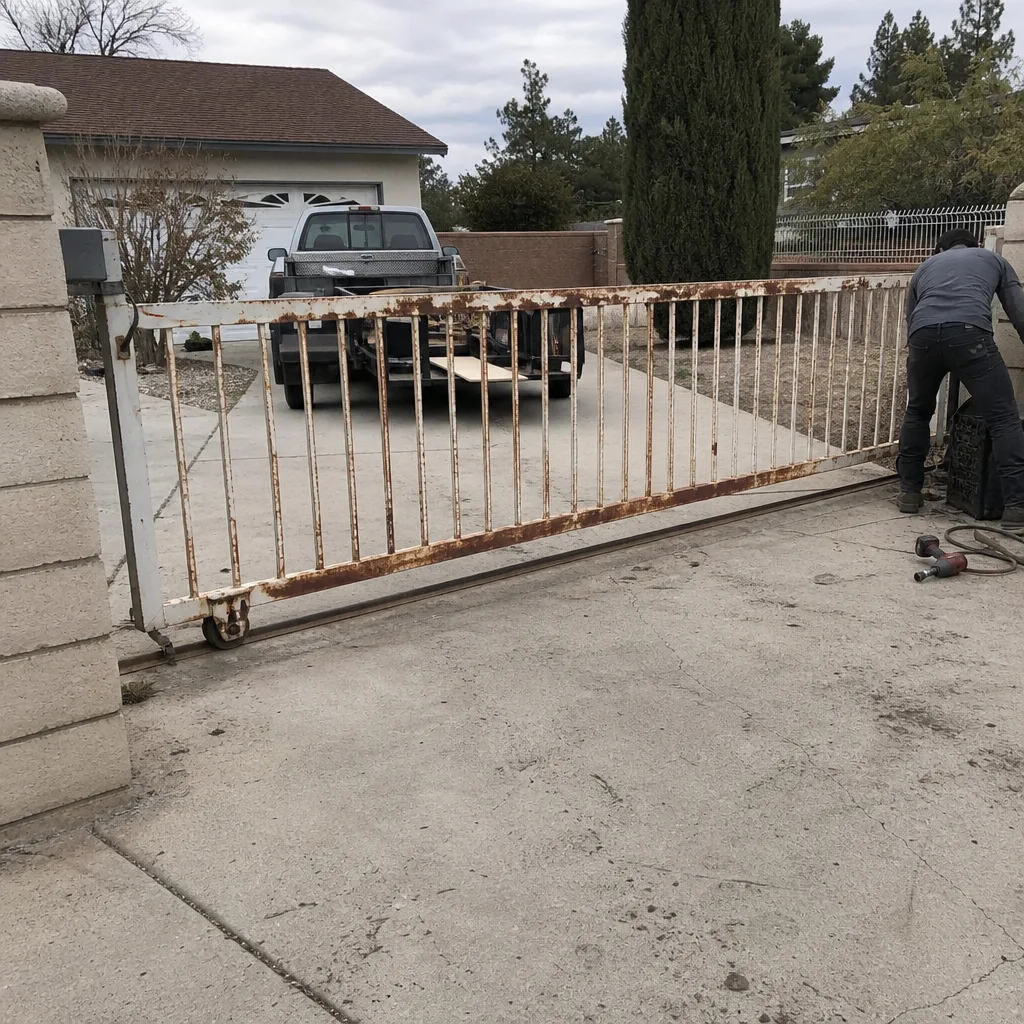 Before
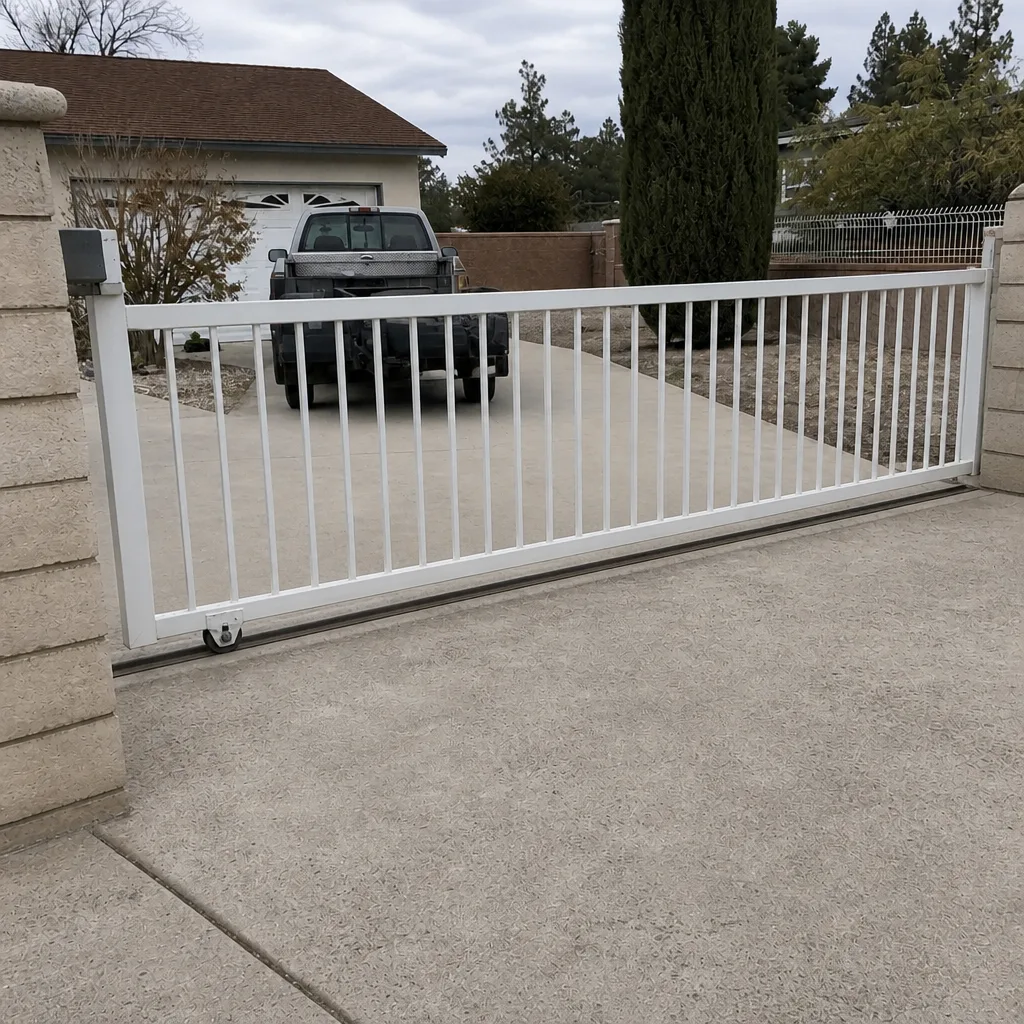 After
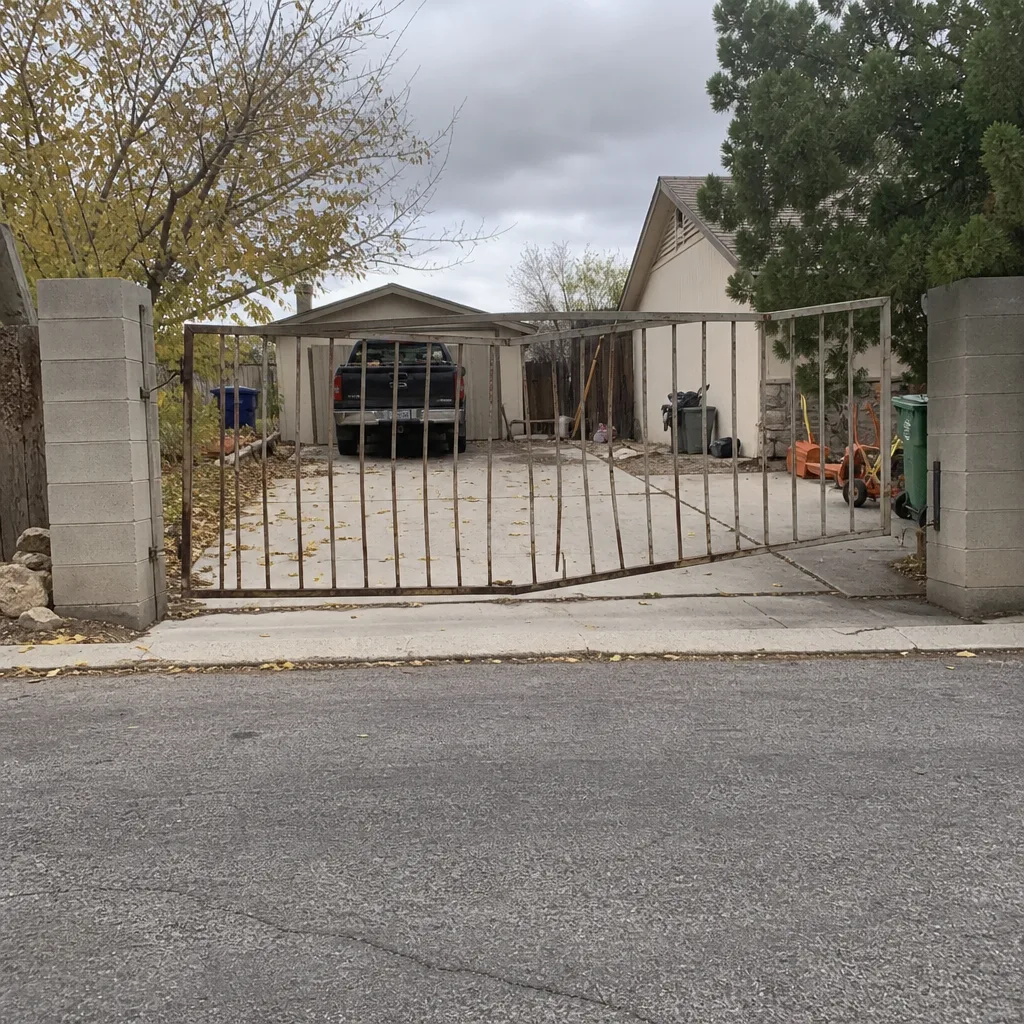
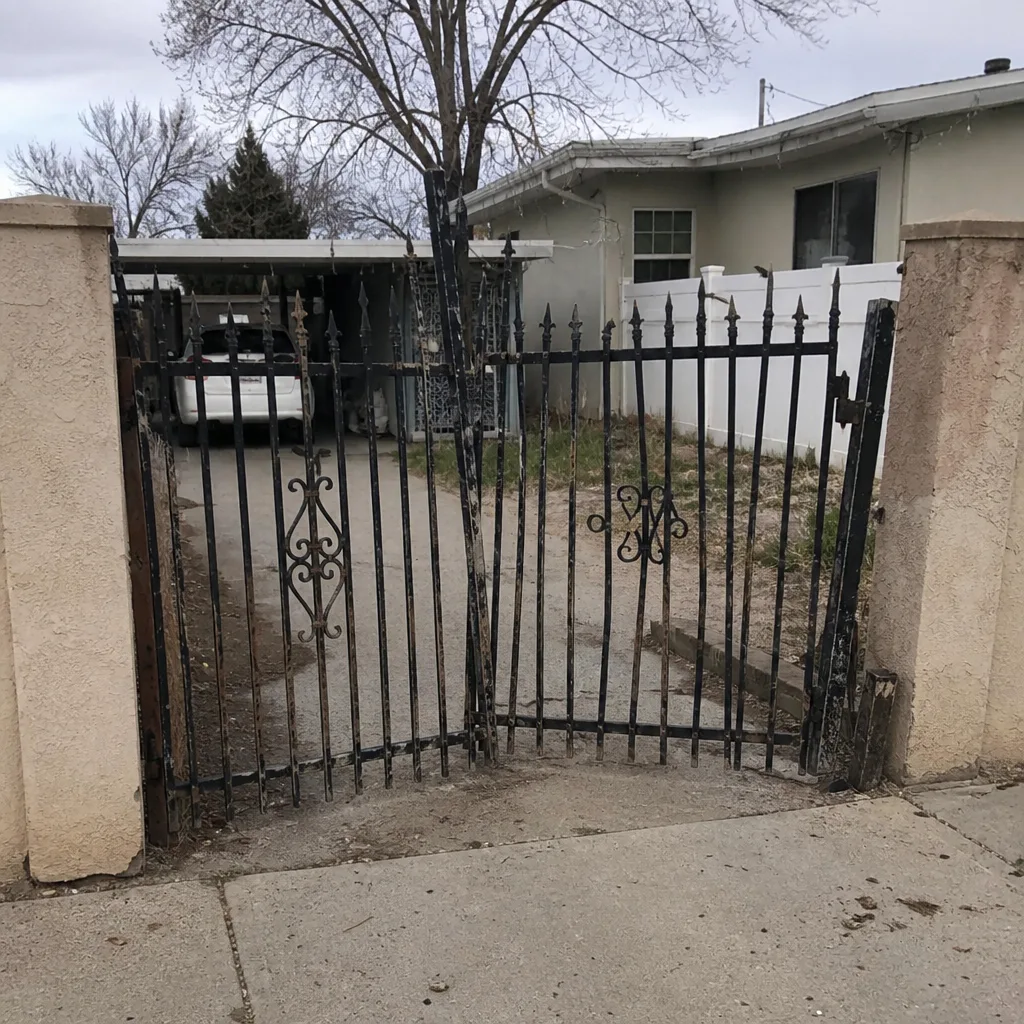 Before
 After
 Before
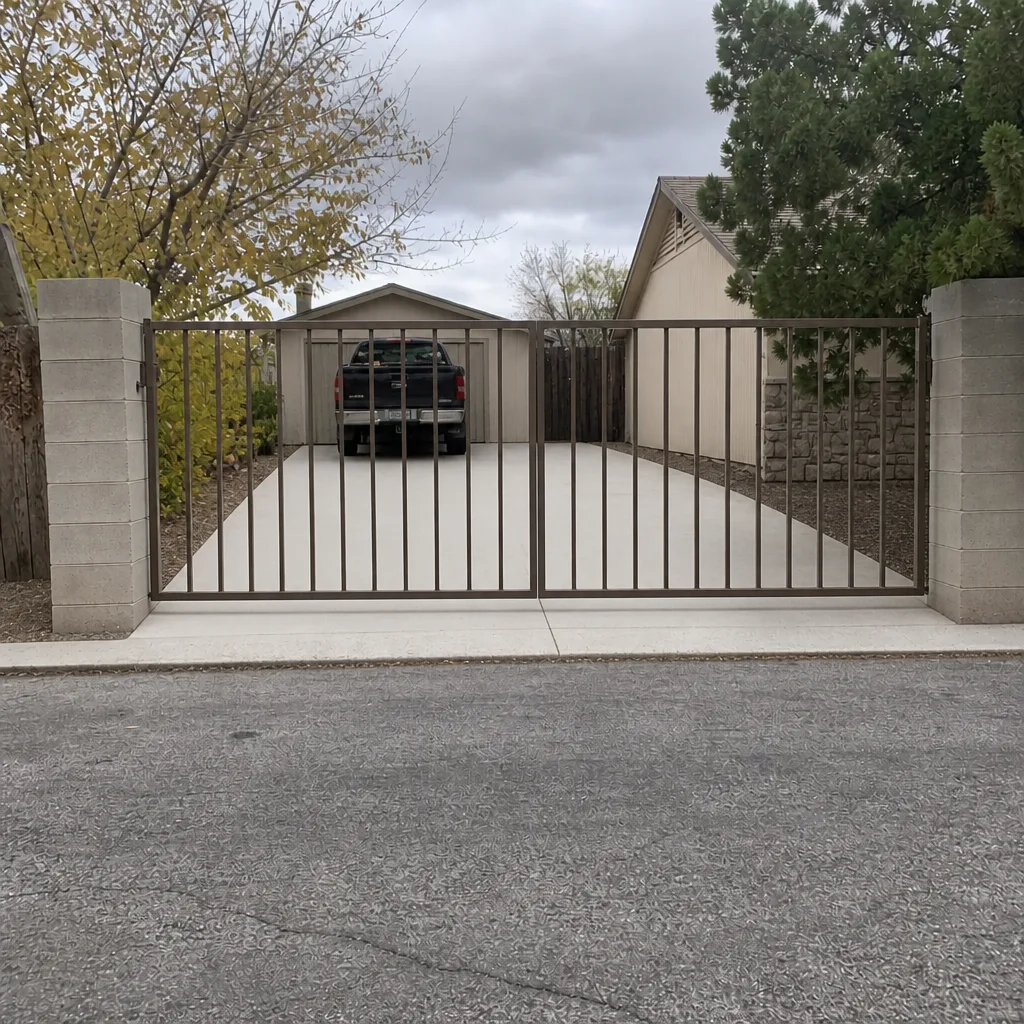 After