
Last updated November 15, 2026
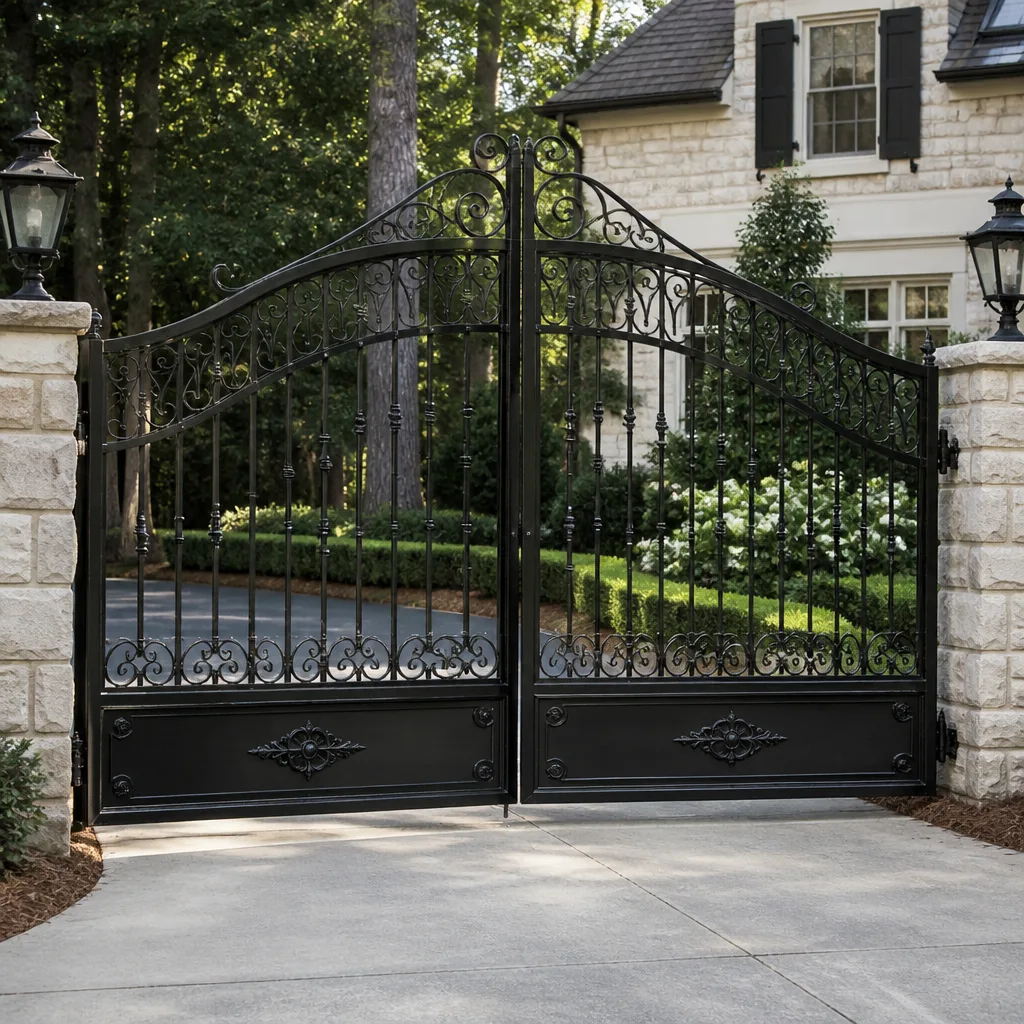 Wrought iron
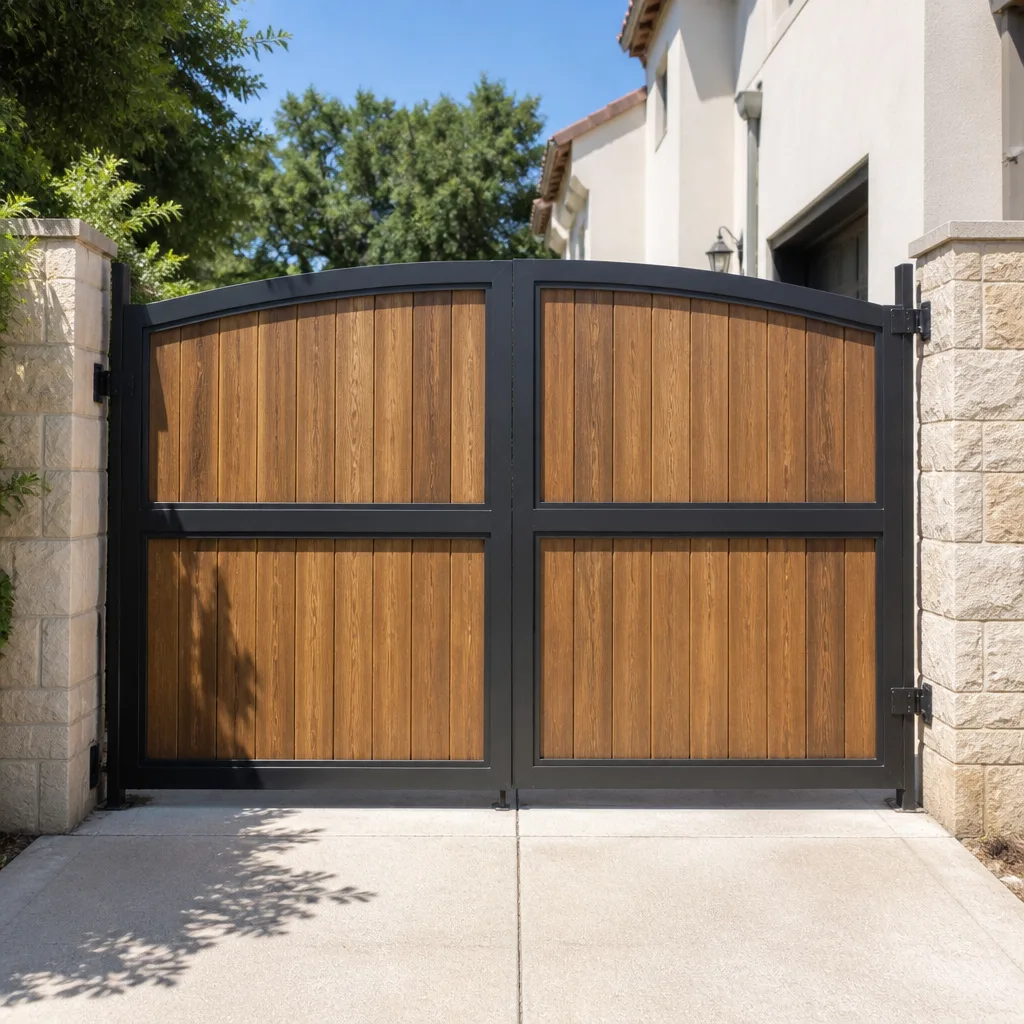 Wood & steel frame
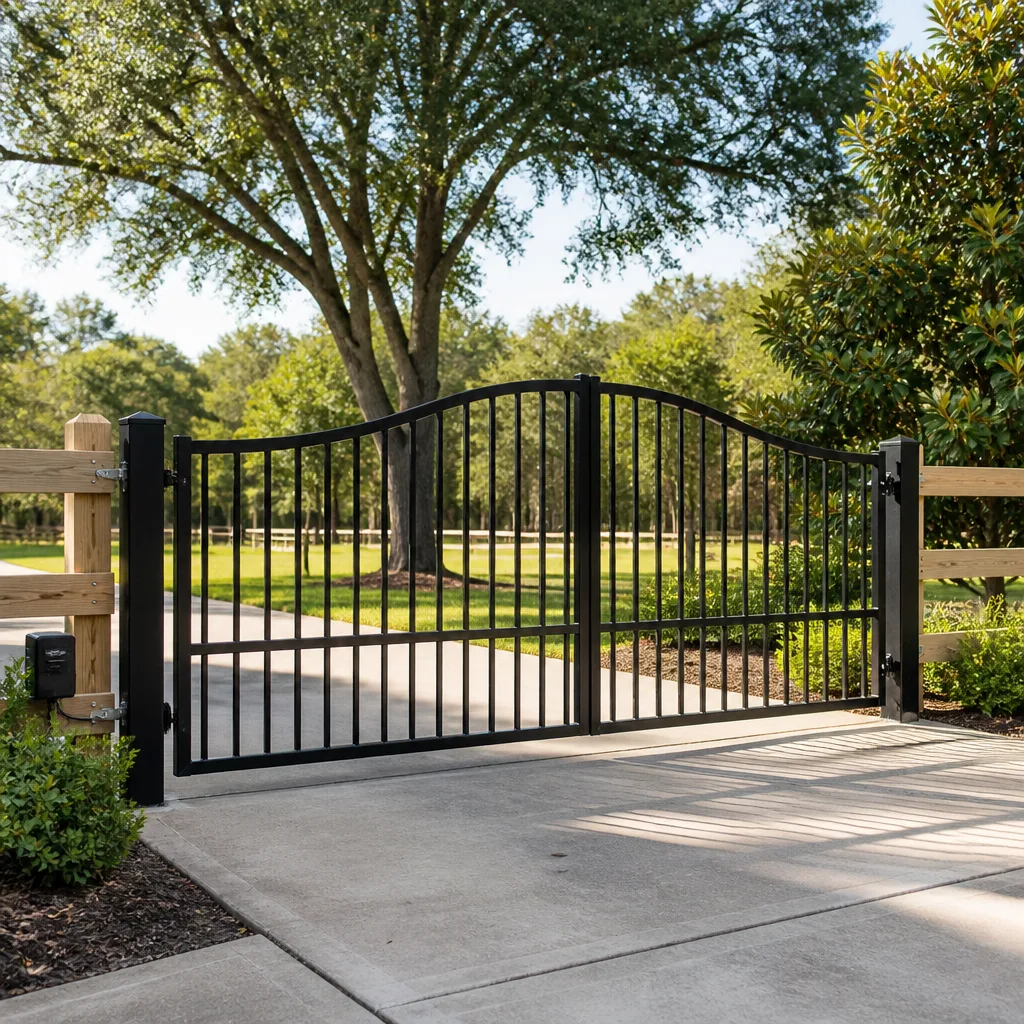 Farm & ranch
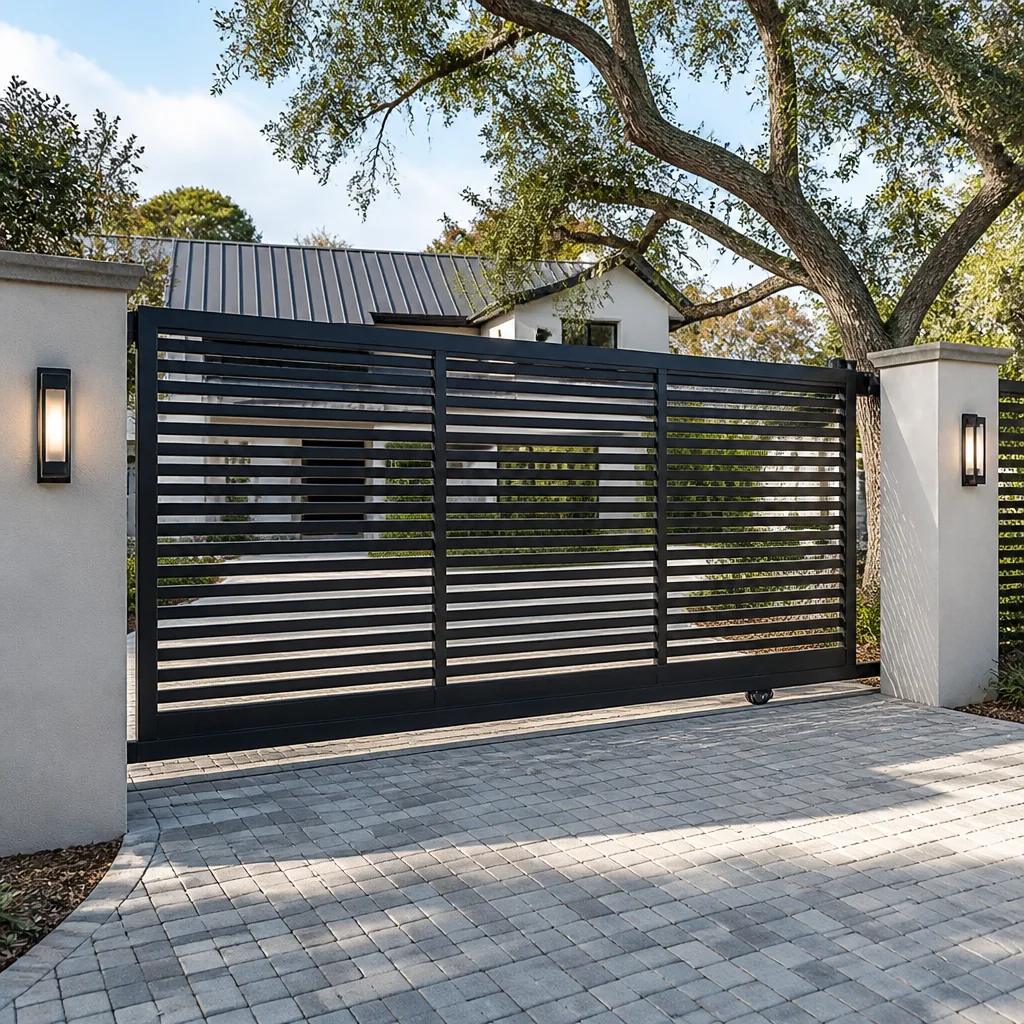 Sliding driveway gates
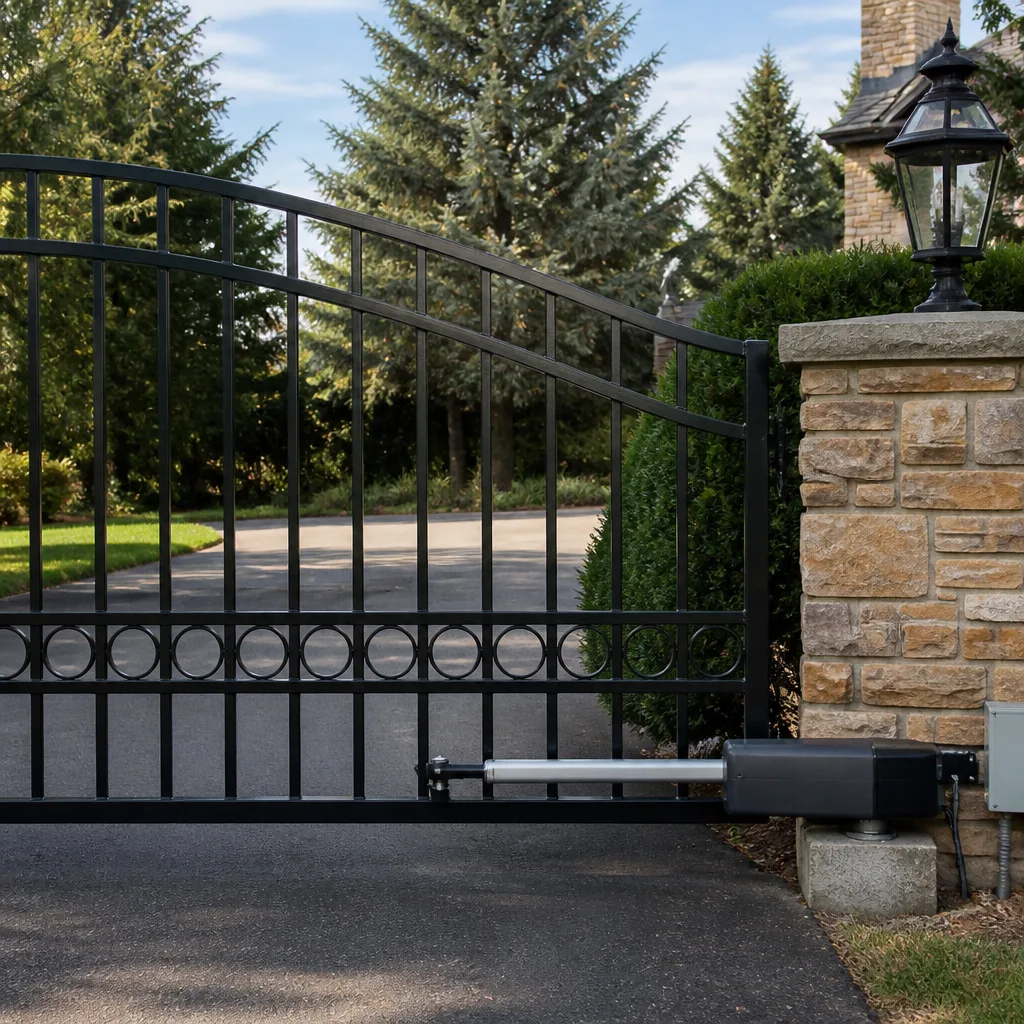 LiftMaster operators
Free on-site gate assessment - hinges, posts, and your LiftMaster or Nice gate operator checked before anything is quoted
The assessment is free and the quote is the invoice.
Get your free estimateHow to Hire a Gate Repair Contractor in Spring Valley: A Step-by-Step Guide
Most people hire a gate contractor the way they hire a plumber: something’s broken, they search, they call the first name that answers. That works for a leaking faucet. It rarely works for a gate. Here’s the misconception worth clearing up before you spend a dollar: a company that repairs fences, installs patios, and “does gates too” is not a gate contractor, and the difference shows up six months after the fix when the same arm fails, the same hinge sags, or the operator burns out again. In Spring Valley, where block-wall properties and wide driveway openings are everywhere, the gate is often the single hardest-working piece of equipment on the property. This guide walks you through how to vet a contractor properly: the license question, the interview questions that expose a generalist, how to read a quote line by line, and how to structure payment and warranty so you’re covered. By the end you’ll know exactly what to ask before anyone touches your gate.
Quick Answer
To hire a gate repair contractor in Spring Valley, verify the contractor holds a valid Nevada State Contractors Board license in a classification that covers the work (usually C-13 or a related specialty), confirm they specialize in gates rather than treating them as a side job, and insist on an on-site inspection before any quote is given. Ask which brands they work on, how they’ll load-test the gate, and what the written warranty covers. A specialist who names your operator brand and asks the right diagnostic questions is the one to hire; a contractor who quotes over the phone without looking is the one to walk away from.
Styles & brands we work with
- Wrought iron
- Wood & steel frame
- Farm & ranch
- Sliding driveway gates
- LiftMaster operators
Table of Contents
- What License Does a Gate Contractor Need in Nevada?
- The Five Questions That Reveal a Real Gate Specialist
- How to Read a Gate Repair Quote Line by Line
- Red Flags Specific to Gate Repair Contractors
- What a Proper On-Site Inspection Should Cover
- How to Structure Payment and What Warranty Language Should Say
- Residential, HOA, and Commercial Gates: What Changes
- Common Mistakes to Avoid
- When to Call a Professional
- Frequently Asked Questions
What License Does a Gate Contractor Need in Nevada?
Nevada does not issue a gate-specific contractor license. That single fact explains most of the trouble homeowners get into here. There is no “licensed gate specialist” credential to look for, which means the burden of verifying real competence falls squarely on you. What does exist is the Nevada State Contractors Board, which licenses contractors under specific classifications, each tied to a defined scope of work. A gate repair or installation job typically falls under a fencing and equipping classification or a related specialty, depending on the scope of the work. The exact classification that applies can vary with the job, so the practical move is straightforward: ask the contractor for their license number, then verify it yourself on the State Contractors Board’s public lookup before you sign anything.
Verification takes a few minutes and tells you three things:
- The license is active and in good standing. Expired and suspended licenses show up immediately in the lookup.
- The classification matches the work. A license that authorizes one scope of work doesn’t automatically authorize another. Confirm the classification covers gate installation and repair.
- There is a bonded and insured record on file. Ask for a certificate of insurance as well, and check that it names general liability coverage.
While you’re at it, ask the city whether the job needs a permit. Spring Valley sits in unincorporated Clark County, and permit requirements for gate work depend on the scope: a motor replacement usually doesn’t need one, while a new gate structure, new posts, or electrical work for an operator often does. The contractor should know this without hesitating. If they tell you permits are never needed, that’s your first warning. A contractor who works in Spring Valley regularly will already know which jurisdiction handles the permit and what the submittal needs.
One more licensing point worth understanding: a handyman exemption exists in Nevada for small jobs, but it does not cover gate systems. A motorized gate involves structural posts, heavy moving panels, low-voltage control wiring, and often a 120-volt power connection to the operator. That combination lands in contractor territory. If someone shows up in an unmarked truck with no license number and offers to “take a look,” you’re about to hand the job to someone with no leverage if the fix fails.
The Five Questions That Reveal a Real Gate Specialist
Anyone can say they work on gates. These five questions separate a specialist from a generalist in about ten minutes, and you can ask them on the phone before you ever schedule a visit. The answers are more telling than the words: a real gate technician will answer quickly and specifically, while a generalist will hedge, change the subject, or promise to “figure it out when we get there.”
- “What operator brand is on my gate, and do you work on it?” A specialist already knows the major residential and commercial brands by name: Mighty Mule, LiftMaster, FAAC, BFT, and the rest of the field. If the contractor can’t tell you which brands they service, they don’t service many. Here’s the thing: parts and diagnostics differ hugely between a Mighty Mule linear actuator on a driveway gate and a FAAC swing operator on a commercial entry. A company that works only inside one brand will often try to talk you into replacing rather than repairing.
- “How will you test the gate once it’s fixed?” The correct answer involves load testing: cycling the gate under real weight and checking the operator’s current draw, the limit settings, and the safety reversal. If the answer is “we’ll make sure it opens and closes,” keep looking. A gate that cycles empty in the shop and fails under load is the most common callback in the trade.
- “Do you handle the control wiring and safety devices?” Electric gates aren’t just motors. They have photo-eyes, safety loops, keypads, remotes, and often access control. A contractor who only does the mechanical side will leave you to find a second company for the electrical piece.
- “What does your written warranty cover, and for how long?” The answer needs to be specific. “Our work is guaranteed” is not a warranty. You want the number of days or months, what’s covered (the repair, the part, the labor?), and whether the warranty survives if a different company touches the gate.
- “Have you worked on this kind of gate in Spring Valley before?” Spring Valley gates live outdoors in a desert climate. Summer heat cooks operators mounted in direct sun, dust works its way into hinges and tracks, and the dry air cycles wood and metal constantly. A contractor who knows the local conditions will mention at least one of these without being prompted.
Our own technicians have up to 11 years of experience, and every one of them is trained on gate systems specifically: not fences, not garage doors, not general handyman work. That focus is what makes these five questions easy to answer. When a company does gates and only gates, the answers are already in their head. See how we handle gate repair Spring Valley for a sense of the specialty in practice.
How to Read a Gate Repair Quote Line by Line
A gate repair quote tells you almost immediately whether the contractor understands their own trade. The good ones itemize the actual parts and labor. The bad ones put a single number at the bottom and call it a quote. Here’s what a proper quote should break out, and what the vague versions usually signal.
What a Good Quote Itemizes
- Parts, named and priced. The operator model, the actuator, the control board, the hinge set, the chain, or the safety edge, each with its own line.
- Labor, separated from parts. You should see what the technician’s time costs apart from the hardware.
- The diagnosis. What’s actually wrong, written in a sentence. “Operator failing under load, replacement recommended” tells you what you’re paying for.
- Testing and adjustment. A line for the work that makes the gate safe after the repair: limit setting, load test, photo-eye alignment.
- Warranty terms. The length and scope, in writing, on the quote itself.
What Vague Line Items Signal
If a quote says “gate repair: $X,” with no breakdown, you’ve learned almost nothing. Vague pricing is how contractors hide a markup on parts, how a simple adjustment gets billed as a major repair, and how you end up with a bill larger than the number you agreed to. Watch for these signals:
- One lump-sum number with no parts list. Ask what you’re paying for. If they can’t itemize, you shouldn’t hire them.
- “Included in the service call” with no detail on what’s included. Get the line items in writing before anyone starts.
- Parts with no model number. You deserve to know whether you’re getting a factory part or a generic swap. A generic board in a LiftMaster operator can void the manufacturer’s warranty on the operator itself.
- No warranty line at all. A quote with no warranty is a quote with no promise.
- A price that changed after the visit. The estimate should be agreed before work starts. The written estimate sets the final price.
On commercial jobs the stakes get higher because access control and life-safety devices are involved. A vague quote on a DoorKing or FAAC entry operator that skips the control wiring is a serious problem. That’s why we only work from itemized written estimates: you see what you’re buying before it happens. The estimate itself is free, and there is no service-call or diagnostic fee added on top. The price for the work is set per job by the written estimate you agree to.
Red Flags Specific to Gate Repair Contractors
Every trade has its own warning signs, and gate repair has a few that homeowners miss because the gate behaves fine on the day of the visit. Here are the ones we hear about most in Spring Valley.
- Quoting without inspecting. A repair quote given over the phone, based on your description alone, is a guess. Gates have to be inspected under load to be diagnosed. The only thing a phone quote tells you is that the contractor is willing to guess.
- Skipping the load test. If the technician fixes the gate, opens and closes it a couple of times, and leaves, the repair is unverified. The load test is the difference between a fix that lasts and one that fails on the next hot afternoon.
- Not asking about the operator brand. This is the clearest red flag in the category. A gate specialist will ask about your operator in the first minute of the conversation. A generalist won’t mention it at all, and will sometimes order a generic replacement part that doesn’t match your control board.
- Replacing the whole operator when a part would fix it. Motors, actuators, and control boards fail independently. A specialist diagnoses the part and replaces the part. A generalist replaces the whole unit because they can’t diagnose the individual component.
- No familiarity with brands. If the contractor has never heard of Mighty Mule, Ghost Controls, or BFT, they don’t work on many gates. Brand fluency is not a marketing claim here; it’s a diagnostic skill, because the failure modes on a residential Mighty Mule and a commercial FAAC operator are completely different.
- No discussion of safety devices. A gate that closes without a functioning photo-eye or safety edge is dangerous, especially on a sliding gate with a property line nearby. Any contractor who doesn’t check these is leaving a liability behind.
- Vague or verbal warranty. You want it in writing, with terms. No exceptions.
The pattern behind all seven red flags is the same: a contractor who doesn’t examine closely is a contractor who is treating the gate as a side job. The fix tends to come back. The generalist is already paid; you’re the one chasing them.
What a Proper On-Site Inspection Should Cover
The inspection is where a real gate contractor earns their reputation. It’s not a ten-minute walk-through. A proper inspection on a gate in Spring Valley should cover the following, and the technician should be talking you through it as they go.
- Structure and posts. The posts carry the whole gate. The technician checks for movement, cracks at the base, and footing issues. On block-wall properties, the hinge mounting is the first thing to check, because a heavy swing gate on a block wall puts a lot of load on anchors that weren’t meant for it.
- Hinges and swing path. Hinges wear, and a swing gate that’s out of square will fight the operator every time it opens. A specialist checks the swing path by hand before touching the motor.
- The operator. Brand, age, model, mount condition, power connection, and current draw. The current draw reading under load tells you more about the operator’s health than anything you can see.
- Safety devices. Photo-eyes, safety edges, and safety loops on sliding gates. Each is tested individually.
- Access control. Keypads, remotes, and intercom or entry systems, tested to make sure they actually reach the gate.
- Controls and limits. Open and close limits, soft start and soft stop, and the emergency release, which should be accessible and functional.
- The gate itself under load. Cycling the gate with the operator disengaged first, then re-engaged, and watching for stalls, noises, and binding.
If a contractor turns up, looks at the gate, and quotes from memory, you have not had an inspection. You’ve had a guess. Our own process is to run this inspection on-site before we write anything. That’s what gives you the written estimate and the confidence that the fix is the right one.
How to Structure Payment and What Warranty Language Should Say
The structure of a payment schedule matters as much as the price. You want the contractor to have skin in the game at every stage, and you want the final payment tied to a verified, working gate. Here’s a payment structure that protects the homeowner on a gate job:
- No large deposit before work starts. A reasonable deposit for special-order parts is normal. A 50 percent deposit before anyone shows up is not.
- Payment on completion and verification. The bulk of the payment should come after the gate has been tested and you’ve seen it work.
- Final payment after the load test. The last payment is your leverage. Use it. Confirm the gate cycles under load, the safety devices work, and the operator limits are set before you pay the balance.
- Written receipt with the warranty attached. Keep both. You’ll need them if the repair fails.
What Warranty Language Should Say
Warranty wording in this trade is often deliberately vague. A real warranty has four parts, and if any of them are missing, ask:
- Duration. The number of days or months, in writing.
- What’s covered. The repair labor, the parts, or both.
- What’s excluded. Normal wear, storm damage, and damage from a subsequent contractor are common exclusions. Reasonable. Just know they exist.
- The conditions. Whether the warranty requires regular use, a specific maintenance interval, or notification within a certain window of a failure.
Watch for the warranty that only covers the part, not the labor, or one that’s void if the gate is used daily. A gate that isn’t used daily is a gate that doesn’t have a job. Our written estimates carry warranty terms on the quote itself, so you compare apples to apples between contractors. Get a written estimate from us and you’ll see the terms in black and white.
Residential, HOA, and Commercial Gates: What Changes
The vetting process doesn’t change, but what to look for in a contractor does. A company that can handle a Mighty Mule driveway gate may not be equipped for a DoorKing entry on a commercial property, and vice versa. Ask the contractor which they do more of, and match your hire to your gate.
Residential Driveway Gates
Most residential gates in Spring Valley are swing gates on a driveway, often with a Mighty Mule or Ghost Controls operator, sometimes a LiftMaster. These jobs are usually about a single failing part: the actuator, the control board, the hinge, or the battery. A specialist diagnoses the part; a generalist replaces the operator. Ask specifically about the operator brand and how many of them the contractor has worked on.
HOA Gates
HOA gates are shared infrastructure, and the failure modes are different. Higher cycle counts, more user complaints, and access control hardware that has to be coordinated across many households. A contractor working on an HOA gate needs to understand access control as well as mechanical repair. Ask whether they handle keypads, entry systems, and multiple remotes on the same operator, and ask what happens when a gate opens for one resident but not another. If that question is unfamiliar to the contractor, they’re not the right hire.
Commercial Gates
Commercial gates are usually heavier, cycle far more often, and often involve barrier-arm or slide operators from brands like FAAC, BFT, or DoorKing. The diagnostics are more involved, the safety devices are more numerous, and the cost of downtime is much higher. For a commercial Spring Valley gate, ask the contractor for their experience specifically with commercial operators and access control. If they’ve only done residential driveway gates, they’re not the right fit, and they should tell you so. We work on both: electric gate repair is the same discipline whether it’s a Mighty Mule on a residential driveway or a FAAC operator on a commercial entry.
Common Mistakes to Avoid
- Hiring the first name that answers. The first contractor to pick up isn’t necessarily the right one. Take ten minutes to ask the five questions above before you schedule a visit.
- Skipping the license check. Nevada’s public lookup takes a few minutes. If the contractor won’t give you a license number to look up, that’s the answer to your question.
- Accepting a phone quote. A gate has to be inspected to be diagnosed. A phone quote is a guess dressed up as a price, and it’s how the final bill ends up higher than the estimate.
- Paying a large deposit up front. Special-order parts are one thing; a large deposit before work starts is another. Structure the schedule so final payment follows the load test.
- Not asking about the existing operator brand. The brand on your gate decides which parts fit and which failure modes are most likely. A contractor who never asks is a contractor who doesn’t work on gates often.
- Leaving without a load test. Confirm the gate cycles under load and the safety devices work before you pay. If the contractor seems in a hurry to be done, ask for the test anyway.
- Skipping the written warranty. A verbal promise isn’t a warranty. Ask for the terms on the quote, and keep the receipt.
- Choosing across trades. A fence company that “also does gates” will do a decent job on the fence and guess on the gate. Gate-only specialists exist in Spring Valley, and they’re worth the call. If your gate is electric, Spring Valley has plenty of contractors, but only a few who do motors and access control properly.
When to Call a Professional
Some gate issues are worth watching for a week. Most aren’t. Call a professional when the gate stops mid-cycle, reverses without warning, or makes a new noise on every open; when the operator runs but the gate doesn’t move; when the remote works intermittently (a sign the receiver or battery is failing); when the safety devices stop stopping the gate; and whenever a heavy sliding gate has come off its track or a hinge anchor has moved. On heavy swing and slide gates, damaged components can crush or trap, and the operator’s power connection is not a DIY project: if the gate is motorized and the repair involves the control panel, wiring, or power, call a licensed professional. Don’t test the gate with your hands in the swing path. For gates still under an operator’s own warranty, confirm what the manufacturer requires before a third party touches the unit, because some warranty terms are voided by unauthorized repair. If you’re in Spring Valley and you’re unsure whether your issue needs a visit, call and we’ll ask the right questions. Gate Repair Spring Valley offers free estimates in Spring Valley: call (844) 420-8518. We answer 24/7. Fast dispatch from 7am to 7pm, Sunday through Friday.
Frequently Asked Questions
Yes. Repair work on a gate, especially a motorized gate with an operator, low-voltage control wiring, and safety devices, falls under licensed contractor work in Nevada. There is no gate-specific license in the state, so verify the contractor’s license through the Nevada State Contractors Board’s public lookup before hiring. Ask for the license number and confirm the classification covers the work. A licensed contractor carries insurance and bonding, and if the repair fails, you have real recourse. Call (844) 420-8518 for an exact quote; estimates are free.
Gate repair pricing depends on the problem, the brand, and the parts needed, and we don’t quote a range until we’ve inspected the gate. A hinge adjustment and a full commercial operator replacement are very different jobs. What we can tell you is how the price is set: a free on-site estimate, itemized by parts and labor, agreed before any work starts. The written estimate sets the final price. Call (844) 420-8518 for an exact quote; estimates are free.
No, and a contractor who gives you one is guessing. Gates have to be diagnosed on site: the operator’s current draw under load, the condition of the hinges, the state of the safety devices, and the access control all affect the fix and the price. A phone quote is a number with no inspection behind it. Call (844) 420-8518 and we’ll set up an on-site inspection and a written estimate. Estimates are free.
Most repairs are completed on the first visit. Parts availability determines the rest: a hinge, a control board, or an actuator that we can source locally is done the same day, while a special-order operator or access-control component takes longer and we’ll give you the schedule in the written estimate. If the gate is unsafe in the meantime, we’ll tell you how to park or secure it until the part arrives. Call (844) 420-8518 to book an inspection.
We work on LiftMaster, FAAC, BFT, Linear, Viking, Ghost Controls, DoorKing, Elite, and Mighty Mule, and we’re independent, which means we diagnose the part rather than defaulting to a brand-locked replacement. Knowing the brand matters because the failure modes and parts differ. A Mighty Mule on a residential driveway and a FAAC on a commercial entry aren’t the same repair. Call (844) 420-8518 and tell us the brand on your gate; we’ll know the drill.
Ask five things: what operator brand is on your gate and do they work on it, how will they load-test it, do they handle the control wiring and safety devices, what the written warranty covers and for how long, and whether they’ve worked on this kind of gate in Spring Valley. Those questions separate specialists from generalists in about ten minutes. If the answer to any of them is a guess, keep looking. Call (844) 420-8518 for a free estimate; we’re happy to go through every one of these questions with you.
The Bottom Line
Hiring a gate contractor in Spring Valley comes down to one thing: verifying real gate competence before anyone touches the property. There’s no gate-specific license in Nevada, so you do the verification yourself: license lookup, the five interview questions, an on-site inspection, an itemized quote, a structured payment schedule, and a written warranty. A gate specialist names your operator brand in the first minute and tests the gate under load before calling it done. A generalist quotes over the phone and replaces the whole operator. The difference shows up six months later. Call (844) 420-8518. We answer 24/7. Fast dispatch from 7am to 7pm, Sunday through Friday.
Written by the team at Gate Repair Spring Valley.
See the difference
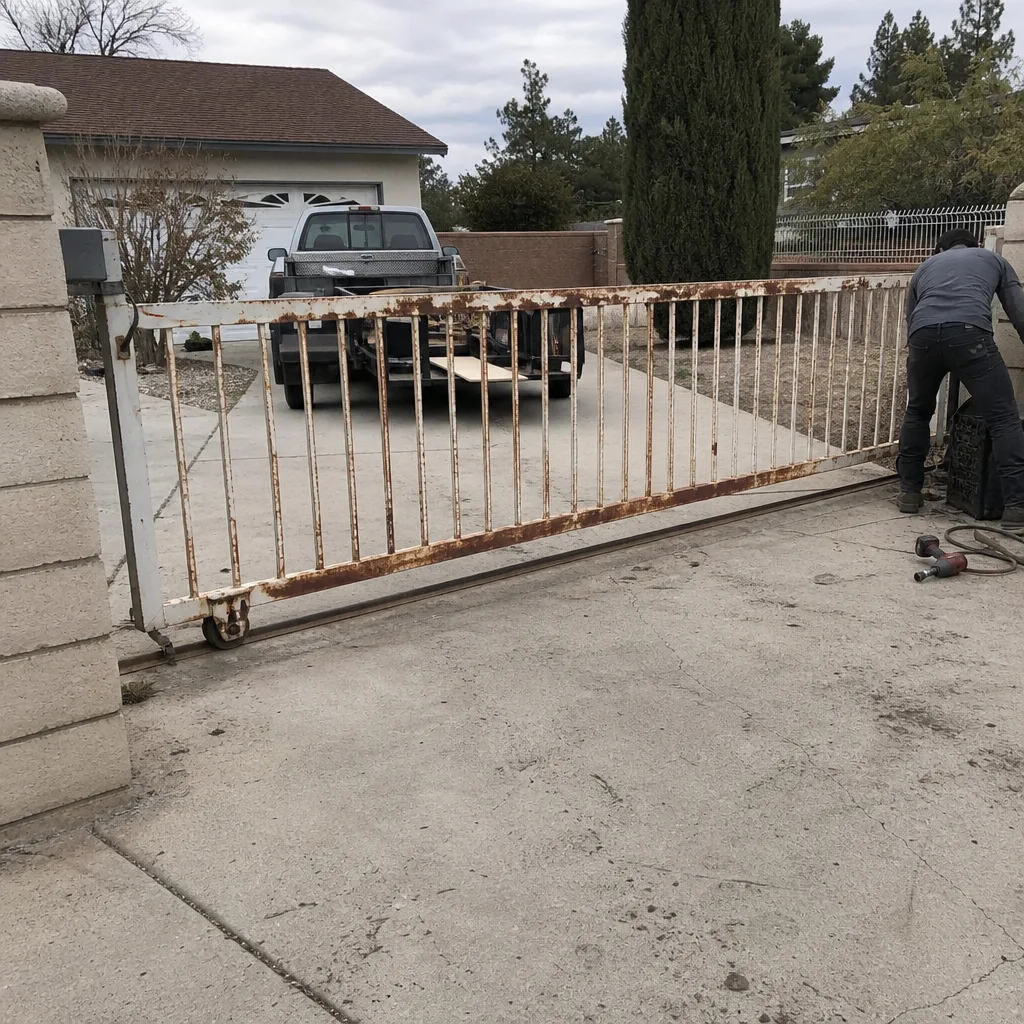 Before
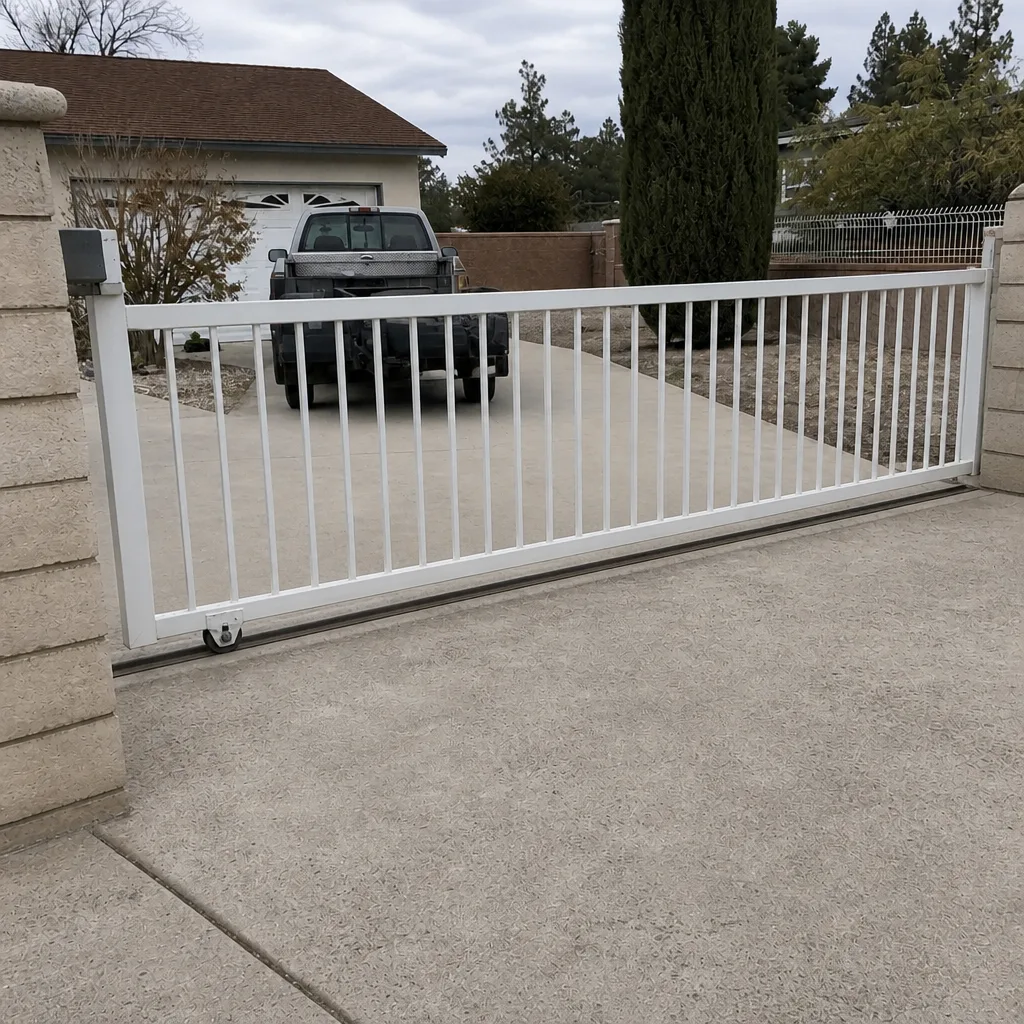 After
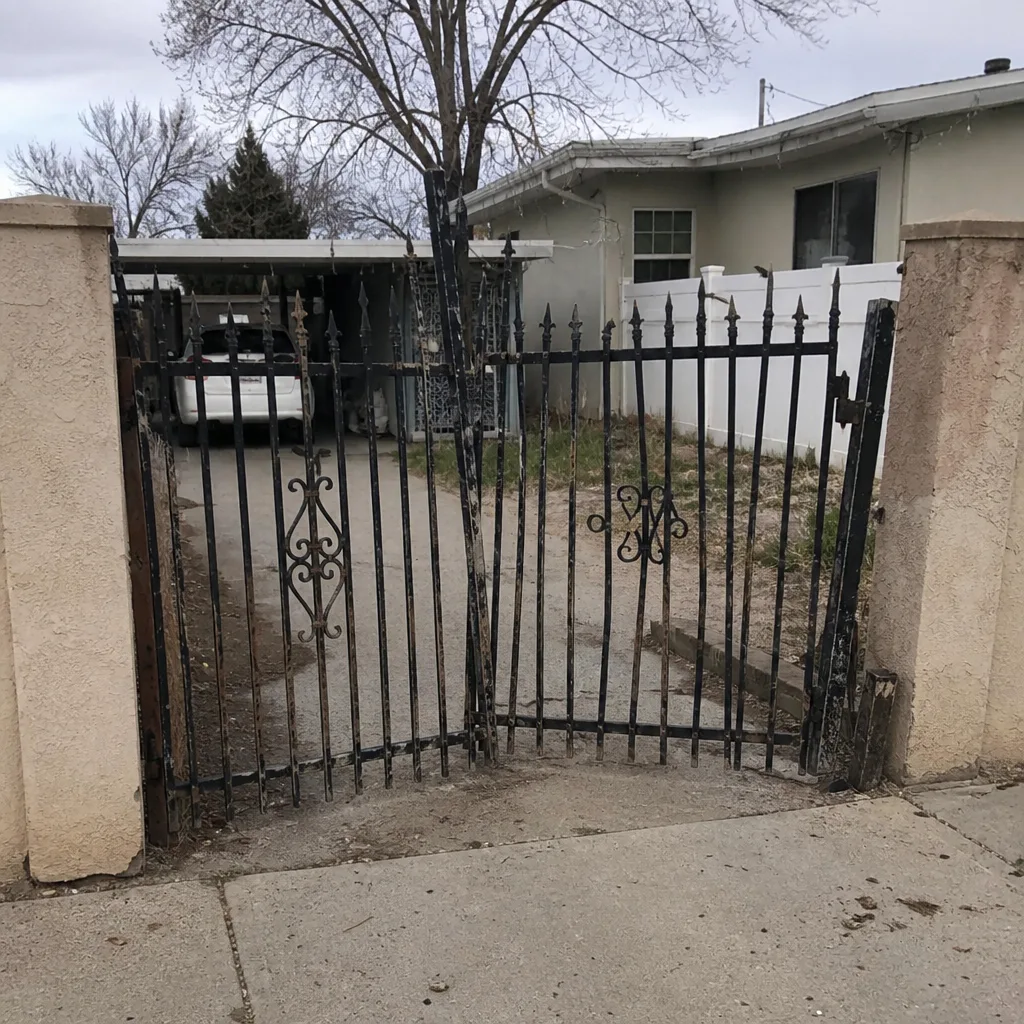 Before
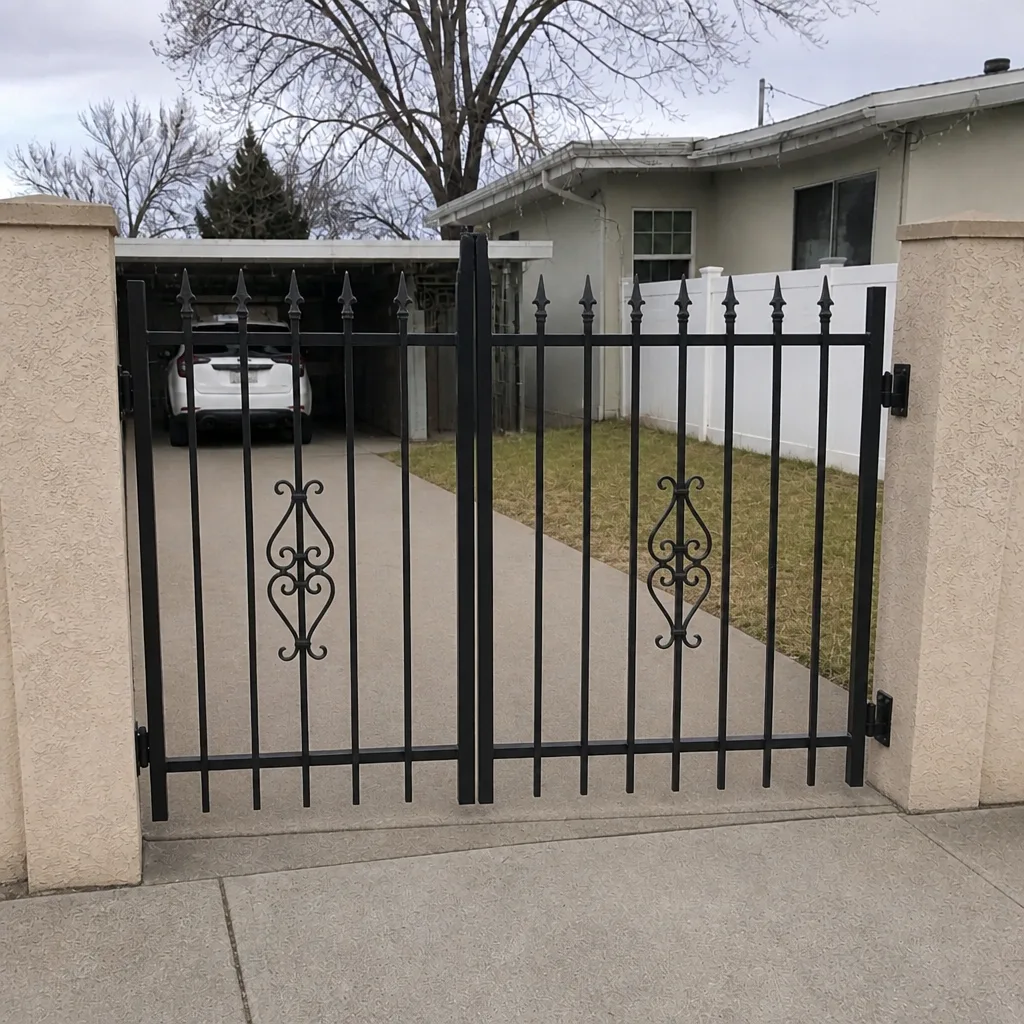 After
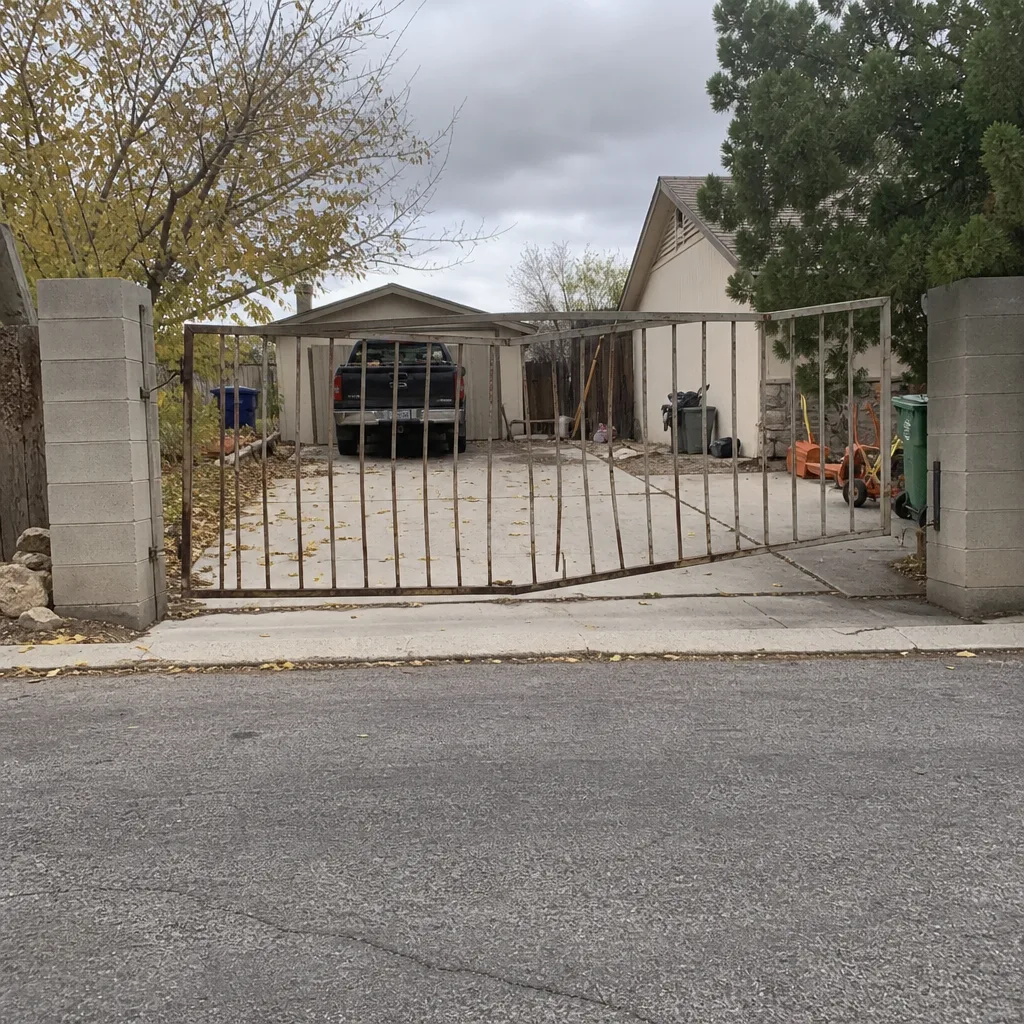 Before
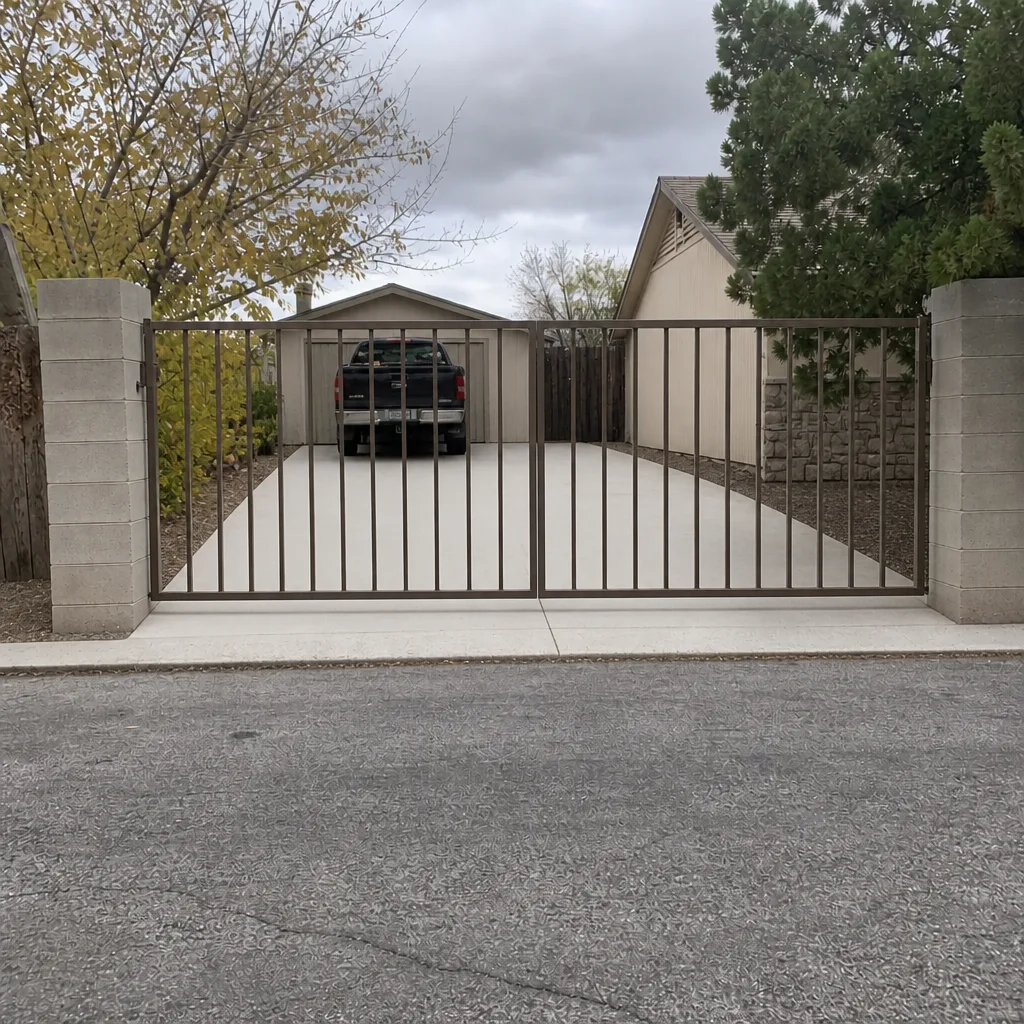 After